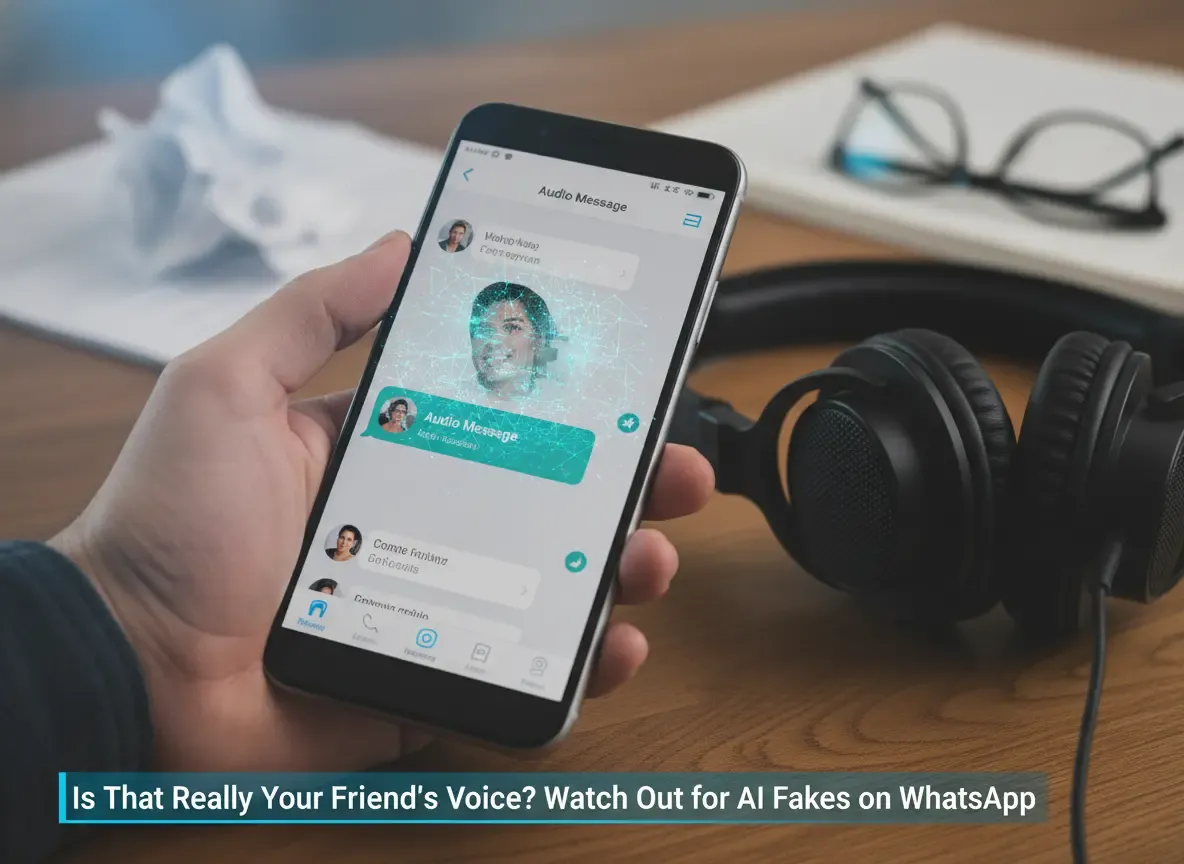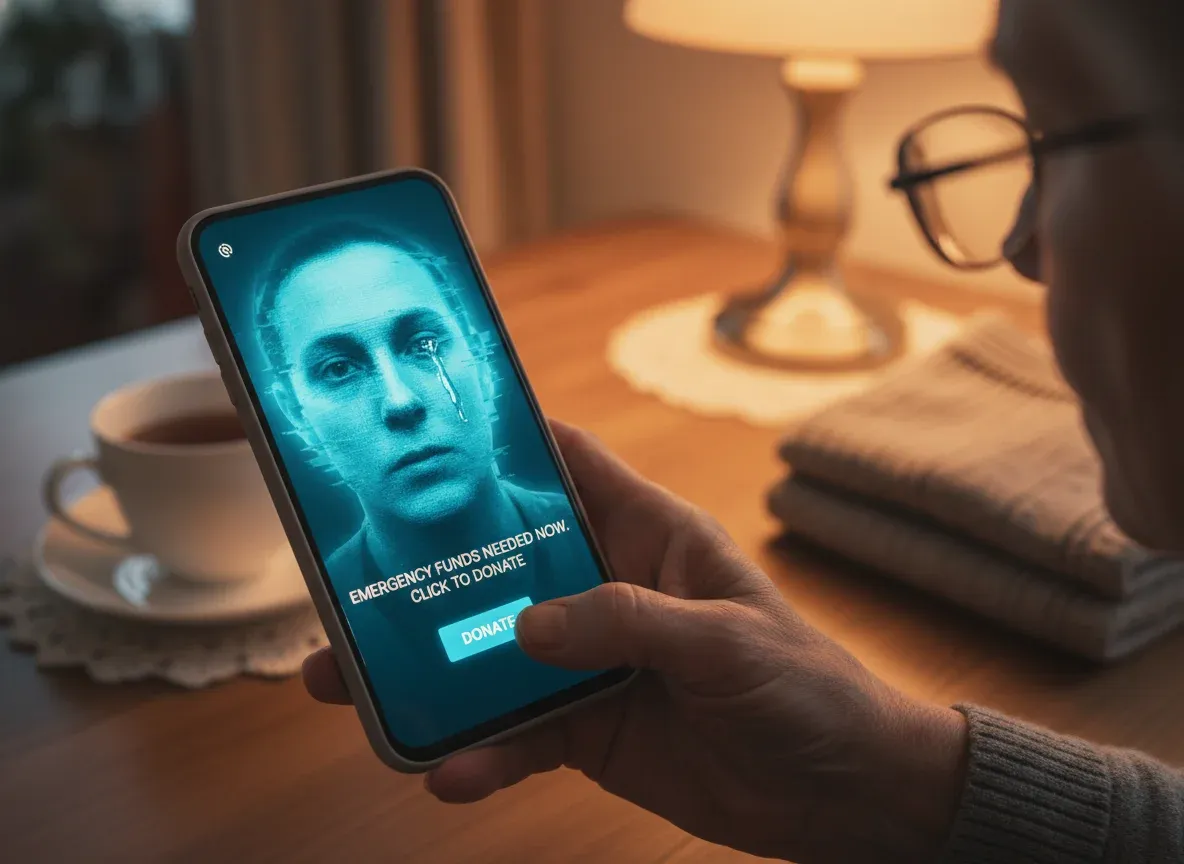
You get a call, and it’s your grandchild’s voice on the line. They sound upset, maybe even crying. They say they are in trouble. Perhaps they've been arrested or had an accident. They tell you they need money right away. Your heart sinks into your stomach. A cold wave of panic washes over you. You want to help immediately. But what if that voice isn't really your grandchild at all?
This is the scary reality of AI voice scams. These clever tricks use smart computer programs, often called AI, to copy someone's voice. They make it sound exactly like your loved one is calling, even when they are not. It is a new, sophisticated way for scammers to steal your money. These scams are catching many people completely off guard.
What Are AI Voice Scams?
Think of it this way: smart computer programs can now make a fake voice. This voice sounds incredibly real. It is so convincing that it can fool even the most careful listener. Scammers use special computer programs to listen to just a few seconds of someone's voice. This small audio clip could come from many places. It might be a video your loved one posted online, a public interview they gave, or even a voicemail message. The AI, or smart program, then learns exactly how that person sounds. It picks up on their unique tone, speed, and all their little quirks. Once it has learned, it can then create brand new sentences in that exact voice.
This is not just someone trying to imitate your grandchild. This is a computer making a voice. It has the same tone, speed, and all the little quirks of your loved one's actual voice. It sounds so much like the real person that it can be very hard for you to tell the difference. This makes these scams especially dangerous. They do not just target your wallet. They play on your deepest love and worry for your family members. They exploit your natural instinct to protect those you care about most.
How Do These Clever Tricks Work?
The process might seem very high-tech. However, the scam itself is quite simple. It plays on basic human emotions. Here’s how it often goes down, step by step:
- Getting a Voice Sample: Scammers search for public recordings of your loved one's voice. They are looking for any audio they can find. This could be a TikTok video, a YouTube clip, an interview, or even a public voicemail greeting. They only need a few seconds of clear audio to create a convincing copy. The more audio they have, the more realistic the fake voice can become.
- Making a Fake Call: They then use special AI-powered tools. These tools take the voice sample and create new words and sentences. It sounds just like your loved one speaking. The AI can generate any script the scammer types in. They then use this fake voice to call you. The call might come from an unfamiliar number, or sometimes they even spoof a local number to seem more legitimate.
- The Urgent Request: The call always has a sense of extreme urgency. The scammer wants to rush you. They do not want you to have time to think or ask questions. They will often claim your loved one is in immediate danger or needs money for an emergency. Common stories include needing bail money after an arrest, funds for an emergency medical procedure, or cash to fix a car after an accident far from home. They might say they are embarrassed and do not want other family members to know. This isolation tactic is designed to make you act alone and quickly.
Why Are These Scams So Convincing?
These AI voice scams are incredibly effective for several reasons. They tap into our most powerful emotions and exploit the trust we have in our family.
First, the technology is stunningly good. The smart computer programs used today are far more advanced than anything we have seen before. They can mimic not just the words, but also the unique vocal patterns, accents, and emotional inflections of a person. This means the fake voice might even sound like it is crying or distressed, making the story even more believable. Your brain hears the voice of someone you love, and it immediately triggers a protective response.
Second, scammers create a sense of extreme urgency. They know that if you have time to think, you might realize it is a trick. So, they create a crisis that demands immediate action. They might say, "I'm in jail and need bail money now!" or "I've had an accident and the hospital needs payment right away!" This pressure makes it hard for you to pause and verify the story. You feel a strong pull to help your loved one out of a terrible situation.
Third, they often use isolation tactics. The scammer might tell you, "Don't tell Mom and Dad, they'll be so mad!" or "Please, this is just between us." This makes you feel like you are the only one who can help. It prevents you from reaching out to other family members who might recognize the scam. This tactic isolates you and makes you more vulnerable to their demands.
Finally, the information they use can be very personal. Scammers often do their homework. They might gather details about your grandchild from social media. This could include their friends, recent trips, or even pet names. When the fake voice mentions these personal details, it adds another layer of authenticity. It makes the call feel even more real, cementing your belief that you are speaking to your actual loved one.
Common Scenarios Scammers Use
Scammers are creative and constantly adapt their stories. However, some scenarios are more common than others because they are designed to elicit a quick, emotional response and the need for immediate funds.
- The "Grandparent Scam": This is perhaps the most well-known variation. The scammer, using a fake voice, pretends to be your grandchild. They claim to be in trouble, often far from home. They might say they were arrested for a minor offense, like a traffic violation, or that they were involved in an accident. They urgently need money for bail, legal fees, or car repairs. They always insist you keep it a secret.
- Medical Emergency: Another common tactic involves a fake voice claiming to be a loved one who has had a sudden medical emergency. They might say they are in a hospital, perhaps in another city or country, and need money for urgent treatment or medication. The urgency and the emotional weight of a medical crisis make this a very effective ploy.
- Travel Trouble: Your "loved one" might call, saying they are stranded in a foreign country. They claim their wallet was stolen, or they lost their passport. They need money for a plane ticket, a new passport, or hotel expenses. This scenario plays on the idea that your family member is far away and vulnerable, making it harder for you to verify their location.
- Car Accident: The scammer pretends to be your grandchild who has just been in a serious car accident. They might sound shaken or injured. They need money for car repairs, towing, or to cover damages. They often emphasize that they are okay, but the situation is dire and requires immediate financial help.
These stories are crafted to create panic and bypass your logical thinking. They want you to react with your heart, not your head.
The Role of Social Media
You might wonder how scammers get those voice samples. The answer often lies in social media. In today's digital world, many of us, including our loved ones, share a lot of information online.
Think about how much audio is available:
- TikTok and Instagram Reels: Short videos often feature people talking, laughing, or singing. These clips are perfect for AI to "learn" a voice.
- YouTube Videos: Longer videos, vlogs, or interviews can provide extensive voice samples.
- Public Voicemails: Sometimes, people have voicemail greetings that are publicly accessible.
- News Interviews or Podcasts: If your loved one has ever been featured in a local news story or a podcast, their voice could be out there.
Scammers are like digital detectives. They scour these platforms, looking for any audio they can find. They piece together snippets, and with advanced AI, they can create a surprisingly accurate voice copy. This highlights the importance of being mindful of what you and your family share publicly online.
The Evolving Threat: Why Detection is Getting Harder
The technology behind these fake voices made by AI is improving at an alarming rate. What was once clunky and obviously fake is now incredibly sophisticated.
- Better AI Programs: The smart computer programs are constantly learning and getting better. They can now create voices that not only sound like a person but also capture their unique speaking style, including pauses, emphasis, and even emotional nuances.
- Less Data Needed: In the past, AI needed a lot of audio data to create a good fake. Now, it can often create a convincing voice copy with just a few seconds of sound. This makes it easier for scammers to find what they need.
- Real-time Generation: Some advanced AI can even generate fake voices in real-time. This means a scammer could potentially have a live conversation with you, using a fake voice, making it even harder to detect. It feels like a real back-and-forth chat.
This rapid advancement means that relying solely on your ear to detect a fake voice is becoming increasingly unreliable. You need to have other strategies in place to protect yourself and your family.
What You Can Do Right Now
Protecting yourself and your loved ones from these sophisticated scams is crucial. Here are simple, actionable steps you can take today:
- Set Up a Family Code Word: Talk to your family, especially your grandchildren, and agree on a secret "code word" or phrase. If anyone ever calls asking for money in an urgent situation, tell them to use this word. If they cannot provide it, you know it is a scam. This is a simple, effective way to verify identity.
- Always Verify with a Second Contact Method: If you receive an urgent call asking for money, do not act immediately. Hang up the phone. Then, call your loved one back directly on a number you know is theirs, like their cell phone. Do not use a number given to you by the caller. If you cannot reach them, try calling another family member to confirm their whereabouts.
- Ask Personal Questions Only They Would Know: If you are unsure, ask a question that only your actual loved one would know the answer to. This could be something specific about their childhood, a shared family memory, or a detail about a pet. Scammers using AI will not know these personal details.
- Be Skeptical of Urgency and Secrecy: Scammers thrive on urgency and secrecy. If the caller insists you act immediately and tells you not to tell anyone else, these are huge red flags. Take a deep breath. Slow down. A legitimate emergency would not prevent you from verifying the situation with other family members.
- Limit Public Information on Social Media: Encourage your family members to review their privacy settings on social media. Advise them to limit who can see their posts, videos, and audio clips. The less public audio available online, the harder it is for scammers to get a voice sample. Be especially careful about sharing videos with your voice or your loved ones' voices.
By taking these proactive steps, you can significantly reduce your risk of falling victim to an AI voice scam. Stay informed, stay vigilant, and always trust your gut feeling if something seems off. Your awareness is your best defense against these clever and emotionally manipulative tricks. Remember, it's always better to be safe than sorry when it comes to your money and your peace of mind.