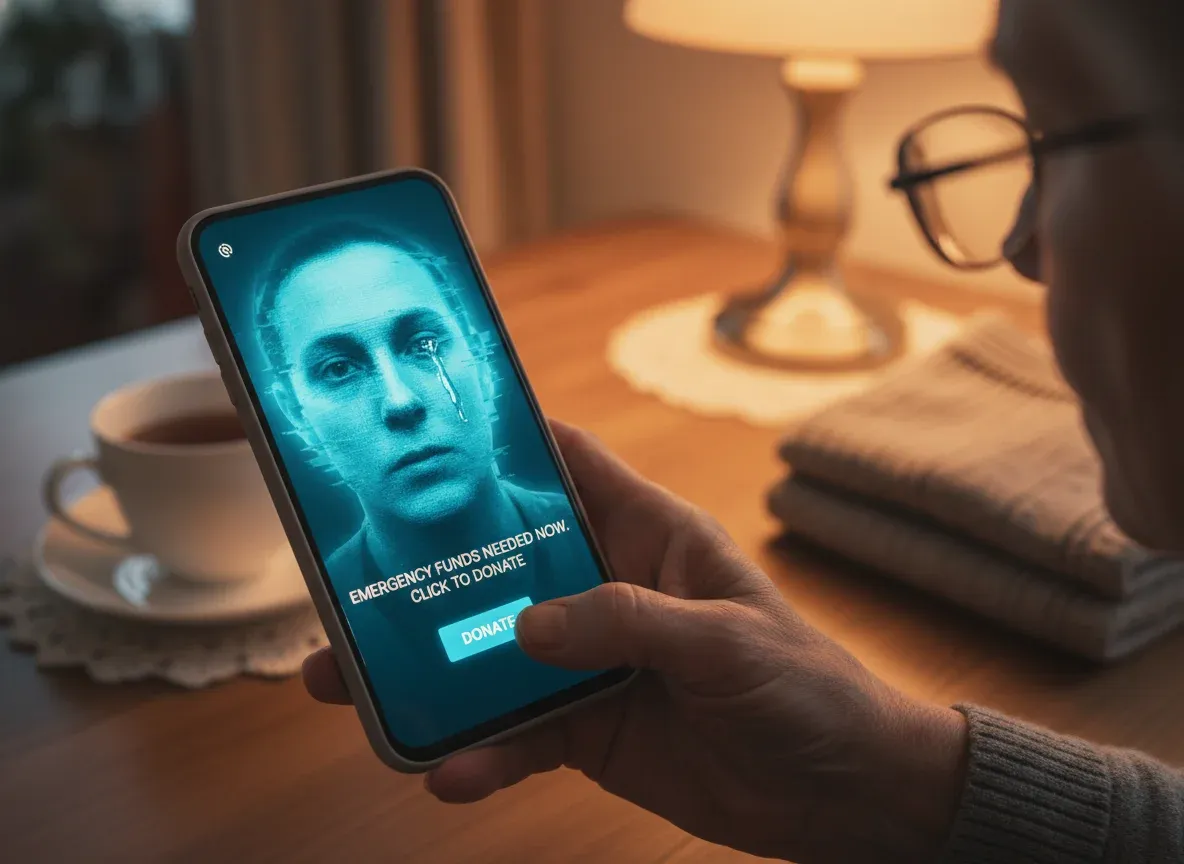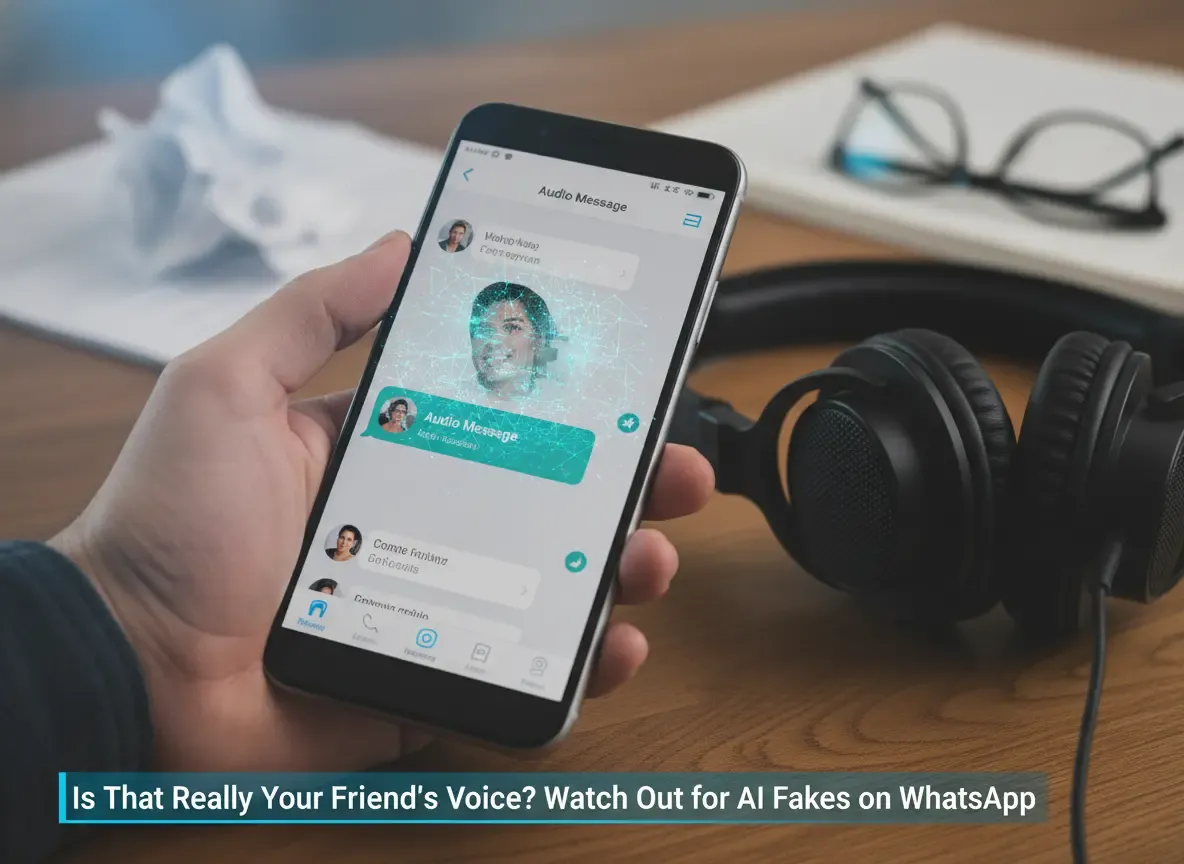
Imagine you get a WhatsApp message. It seems to be from your son, your boss, or a close friend. They sound very urgent. They say they need money, and they need it fast. You hear their voice, clear as day, asking for help. But what if it isn't really them? What if it's a fake voice, made by a computer, designed to trick you?
This isn't science fiction anymore. Scammers are now using clever computer tools. They copy voices from even short audio clips. Then, they use these computer-generated voices to trick people. Their goal is to make you send money or share your private details. WhatsApp is a very popular messaging app. This makes it a new hunting ground for these tricky scams.
How Scammers Copy Voices (and Why It's Getting Easier)
Making a digital copy of someone's voice, often called 'voice cloning,' used to be very difficult. But that's not the case anymore. With just a few seconds of your voice, anyone can create a digital copy. This means your unique sound can be mimicked. Think about all the audio you share online without realizing it:
- Videos you post on social media sites like TikTok or Instagram.
- Voice notes you send to friends and family in chat apps.
- Public interviews or podcasts where you might have spoken.
- Even short voicemail greetings that anyone can hear.
Scammers collect these tiny bits of audio. They don't need much. Then, they feed them into special computer programs. These programs learn the unique sound of your voice. They pick up on your pitch, your speaking speed, and even how you say certain words. In a short time, the AI can then make new sentences that sound just like you. It's like having a digital puppet that can speak in your voice, saying whatever the scammer wants it to say.
Quick Tip: Scammers often need only 3-5 seconds of clear audio to start copying a voice. Be mindful of where your voice is heard online. You should be careful about what you share.
The Rise of Computer-Generated Audio
This technology has gotten much better, very quickly. A few years ago, computer voices sounded robotic and unnatural. Now, they can sound incredibly natural. They pick up on your specific tone and emotions. This makes it very hard for a normal person to tell the difference. It's tough to know if you're hearing a real voice or a fake one made by AI.
Why WhatsApp is a Target for Voice Scams
WhatsApp is a huge part of how we talk to family, friends, and co-workers. Billions of people use it every day. Here's why it's a prime target for scammers looking to trick you:
- Trust: We generally trust messages and calls from our contacts on WhatsApp. We assume if a message comes from 'Mom,' it's really Mom. This trust is exactly what scammers exploit.
- Easy Audio Sharing: Sending voice notes is simple and common. This makes it easy for scammers to send fake audio messages that sound like someone you know.
- Global Reach: WhatsApp is used all over the world. This lets scammers target anyone, anywhere, without geographical limits.
- Sense of Urgency: Many people use WhatsApp for quick, important messages. This plays into the scammer's need for fast action and quick decisions from you.
How the Scam Works: A Step-by-Step Look
Scammers aren't just faking voices. They are also playing on your emotions. They know you care about your loved ones. They use fear, urgency, and a sense of crisis to make you act without thinking. This emotional pressure is a key part of their trick. Here is how it usually unfolds:
- Gathering Audio: The scammer finds a short audio clip of your friend, family member, or boss online. This could be from a public video, a shared voice note, or even a news clip. They are always on the lookout for any sound of your loved ones' voices.
- Voice Copying: They use special AI tools to create a fake voice model. This model is based on the collected audio. It learns to mimic the unique sound of the person.
- The Message: You get a WhatsApp message. It might seem harmless at first, like "Hey, can you talk?" or "I'm in a bit of a jam." The message might come from a number you don't recognize. They might claim it's a new phone, or they lost their old one. This is a common excuse.
- The Fake Call/Voice Note: The scammer then calls you or sends a voice note. They use the copied voice. They'll tell a story designed to create panic or sympathy. Common stories include:
- "I'm stuck somewhere and my wallet was stolen. I need money for a taxi and food right now."
- "I need to pay an urgent bill right now, and my bank app isn't working. Can you help me out?"
- "There's an emergency, and I need money for a doctor or a lawyer. It's really bad, please hurry!"
- The Ask: They ask you to send money via a gift card, a wire transfer, or a payment app. This often goes to a new account or number. They'll insist it's urgent and you can't tell anyone else. This secrecy is a huge red flag. They want you to panic and not think clearly.
WhatsApp's Security and Social Engineering
WhatsApp uses strong encryption to protect your messages and calls. This means only you and the person you're talking to can read or hear what's sent. It's a very secure way to communicate. However, this security doesn't stop social engineering scams. Social engineering is when scammers trick you into doing something by manipulating your trust and emotions. Even with encryption, if you believe a fake voice is your loved one, you might still fall for the scam. The technology protects your data, but it can't protect you from being tricked by a convincing story.
Spotting the Signs: How to Tell a Real Voice from a Fake
Even with advanced AI, there are often clues that something isn't right. You need to listen and think critically. Your instincts are important here.
Listen Closely to the Voice
- Unusual Speech Patterns: Does the voice sound a bit off? Maybe it's too fast, too slow, or lacks the normal up-and-down flow of speech. It might sound flat or monotone at times. You might notice an unnatural cadence, meaning the rhythm of their speech feels wrong.
- Strange Pauses: Computer-generated voices sometimes have awkward silences or pauses. These happen in places where a real person wouldn't normally pause. Or, they might rush through words without natural breaks.
- Robotic or Metallic Tones: While AI is good, sometimes there's still a slight robotic echo or a metallic sound. This is especially true on certain words or phrases. You might hear subtle glitches, like a brief distortion in the sound.
- Missing Emotion: Does the voice lack the usual emotion you'd expect? If your friend is in a supposed emergency, does their voice sound genuinely distressed, or just... empty? There might be an absence of the micro-expressions, those tiny vocal shifts, that convey true feeling.
- Difficulty with Certain Words: AI can sometimes struggle with unusual names, specific accents, or words with complex sounds. This can lead to mispronunciations or words that sound slightly off. Listen for anything that doesn't sound quite right.
Look for Other Red Flags in the Message or Call
- Urgency and Secrecy: The scammer will always push for immediate action. They will tell you not to tell anyone else. This is a huge red flag. They want you to panic and not think clearly. They don't want you to have time to verify their story.
- Unusual Requests: Does the request seem out of character for your loved one? Would your boss ever ask you to buy gift cards for a company expense? Would your friend suddenly ask for money in a way they never have before?
- Different Number: The message comes from an unknown number. They might claim they got a new phone. Always be suspicious of this. Your loved ones usually use their known numbers.
- Payment Method: They ask for money in a way that's hard to trace or reverse. This could be gift cards, cryptocurrency, or wire transfers to a new bank account. Payment apps like Zelle or Venmo might also be requested. A real emergency usually involves normal, traceable payment methods. Your bank or a trusted friend would never ask you to buy gift cards for an emergency.
- Vague Details: If you ask specific questions (e.g., "What's our secret family code word?" or "When did we last meet?"), they might avoid answering. They could give a generic reply, or try to rush you off the phone. They won't know the personal details only your real loved one would.
Real-World (Illustrative) Example: The "Emergency" Call
Meet Maria, a small business owner. One afternoon, she received a WhatsApp call from an unknown number. When she answered, she heard what sounded exactly like her daughter, Ana. "Mom, I'm in trouble!" the voice cried, sounding panicked. "I crashed the car, and I need money for the tow truck and a fine right now. My phone battery is almost dead, I can't call Dad! Don't tell him, he'll be so mad!"
Maria's heart pounded with a mix of fear and confusion. The voice was Ana's, yes, but it felt... hollow. There was a subtle lack of the usual warmth, a slight flatness in the tone that Maria couldn't quite place. It was like hearing a song played on a slightly out-of-tune instrument. The words were right, but the feeling was off. Also, Ana usually called her on her direct landline, not a random mobile number. Maria's gut instinct, a tiny whisper of doubt, told her something was wrong. She paused, taking a deep breath, remembering an article she read about fake voice scams made by AI.
Instead of sending money, Maria decided to test the caller. She said, "Ana, what was the name of your first pet? The one with the floppy ears?" There was a long, unsettling silence on the line. It was a digital void where a real person would have instantly replied. Then the voice, now sounding a little more strained, said, "Mom, this isn't the time for games! Just send the money! I'm in a dangerous situation!" Maria knew then, with a chilling certainty, it wasn't her daughter. The lack of the personal detail, combined with the sudden aggression, confirmed her fears. She calmly hung up the phone. Immediately, she called Ana on her usual, known number. Ana answered, perfectly fine, sitting at home, completely unaware of any car crash. Maria had almost fallen for a very convincing fake voice scam made by AI.
Comparing Real vs. Computer-Generated Voices
Here's a simple way to look at the differences between a real voice and one made by a computer:
| Feature | Real Voice | Computer-Generated Voice |
|---|---|---|
| Emotion | Natural, varied, matches situation perfectly | Often flatter, less natural, forced, or missing |
| Speech Flow | Smooth, natural pauses and rhythm | Can have awkward pauses, uneven speed, or stuttering |
| Word Clarity | Clear, consistent pronunciation | May struggle with specific words or names |
| Background Noise | Natural ambient sounds (if any) | Often too quiet, or artificial-sounding noise |
| Urgency | Genuine concern, allows for questions | Extreme, pushes for immediate action, avoids questions |
| Consistency | Voice remains consistent over time | Can sometimes vary or have glitches |
What You Can Do Right Now
Protecting yourself from these sophisticated scams means being alert and taking simple steps. Your awareness is your best defense.
-
Verify, Verify, Verify: If you get an urgent request for money, especially one involving a new number or an unusual story, always try to verify it through another method. Call the person back on a number you know is theirs. Or, ask a personal question that only they would know the answer to. This is the single most important step you can take. For example, if your daughter calls from a new number, hang up and call her back on her old, known number. If she doesn't answer, try calling another family member. You can learn more about verifying digital content on our /how-it-works page.
-
Ask a Secret Question: Before sending any money, ask a question that only your loved one would know the answer to. This could be a childhood nickname, a specific memory, or a family joke. A scammer using a fake voice made by AI won't know the answer. They will likely get flustered or angry, which is another sign it's a scam.
-
Slow Down: Scammers thrive on urgency. They want you to act without thinking. Take a deep breath. Tell them you need a moment to think or to check something. A real friend or family member will understand your caution. A scammer, however, will push harder and try to make you feel guilty for not acting fast enough.
-
Report Suspicious Activity: If you suspect a scam, report the number on WhatsApp and block it immediately. You can also report it to your local authorities or a consumer protection agency. Sharing your experience can help prevent others from falling victim to the same trick. Within WhatsApp, you can easily report and block contacts directly from the chat screen.
-
Educate Yourself and Others: Talk to your family and friends about these types of scams. The more people who know about fake voices made by AI, the harder it will be for scammers to succeed. Share this article with them. Truth Lenses offers resources like our /blog to keep you informed about the latest threats and how to protect yourself.
Frequently Asked Questions
How much audio do scammers need to copy a voice?
Scammers can often copy a voice with as little as 3 to 5 seconds of clear audio. The more audio they have, the better and more convincing the fake voice made by AI will be. But even a short clip is enough to start their deception.
Can I really tell if a voice is fake?
It's getting harder, but yes, often you can. Listen for unnatural pauses, a lack of emotion, or a slightly robotic sound. Also, pay close attention to the content of the message. Is it urgent? Does it ask for money in an unusual way? These non-voice clues are just as important as how the voice sounds.
What if I already sent money to a voice scammer?
If you've already sent money, contact your bank or payment service immediately. Report the fraud to them as quickly as possible. The faster you act, the better your chances of recovering funds. Also, report the incident to law enforcement and file a complaint with relevant consumer protection agencies. Provide them with all the details you have.
Stay informed and use the tools available at Truth Lenses to help you identify and avoid online deception. Visit our website for more tips on how to spot fakes, whether it's an /image or a /video.