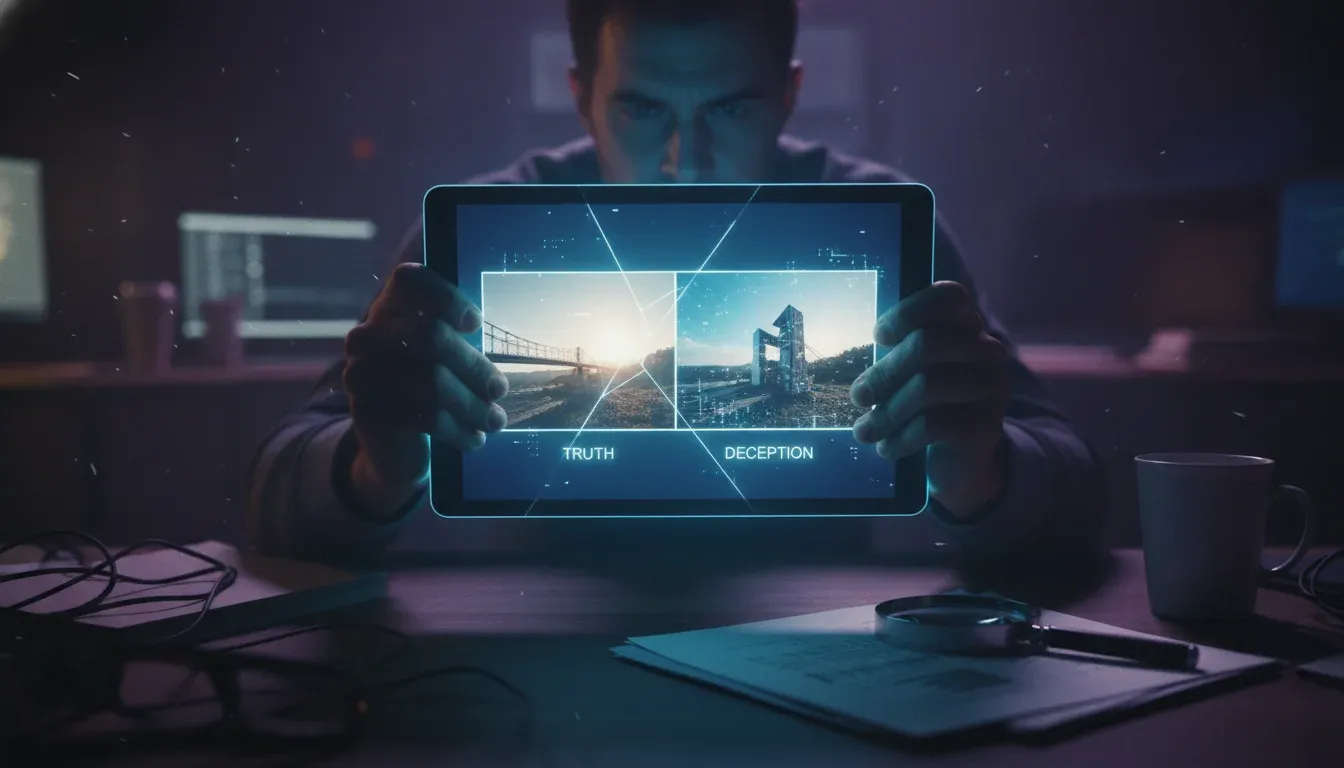
You're scrolling through social media, and a shocking image or video pops up. Your gut tells you, 'Wait, is that even real?' In our world, amazing new technology is making it harder to tell what's genuine from what's been made by a computer. Smart computer programs, often called 'artificial intelligence' or 'AI,' can now create incredibly convincing fake pictures and videos. These computer-made fakes, sometimes called 'deepfakes,' are everywhere. They can fool anyone, even you, the most careful observer.
But what if you had a simple, easy way to know the truth? What if you could quickly check if that viral video or dramatic photo was actually real? What if you could tell if it was just a clever trick?
The Problem: A Flood of Fakes
Imagine a world where you can't trust your own eyes. That's the challenge we face today. Powerful smart computer programs can now create images and videos that look perfectly real. These programs can make a famous person say things they never said. They can also place someone in a situation they were never in. This isn't science fiction anymore, it's happening right now.
These computer-made fakes are not just for fun. They are used for many serious things. For example, scammers might create a fake video of your boss asking for money. People with bad intentions could spread false stories about an election. They might try to trick you into believing something untrue. A fake image could ruin someone's reputation. It could spread lies faster than the truth can catch up. It's unsettling to think that a picture or video you see might be completely made up. It could be designed to trick you. It's easier than ever for almost anyone to create these fakes. Apps and online tools are making it simpler for people without any special skills. They can generate very believable fake content. This means the problem is only going to grow. It makes it even more important for everyday people like you to have tools to protect yourselves.
Introducing Truth Lenses: Your Online Detective
This is where Truth Lenses comes in. Think of it as your personal online detective, a smart tool designed for everyday people. You don't need to be a tech expert to use it. Truth Lenses is a website and service. It helps you quickly figure out if an image or video has been changed or entirely made by smart computer programs. Our goal is simple: to give you the power to see through the fakes. You don't need to understand complex computer code. You also don't need to be a computer security expert. Truth Lenses is built to be easy for you to use. It gives you clear answers so you can make informed decisions about what you see and share online. It's like having a magnifying glass for your screen. It's designed to sniff out the tiny clues that smart computer programs often leave behind. We want to help you feel more confident in the digital world. You will know you have a reliable way to check if media is real.
How Truth Lenses Works: Looking for Tell-Tale Signs
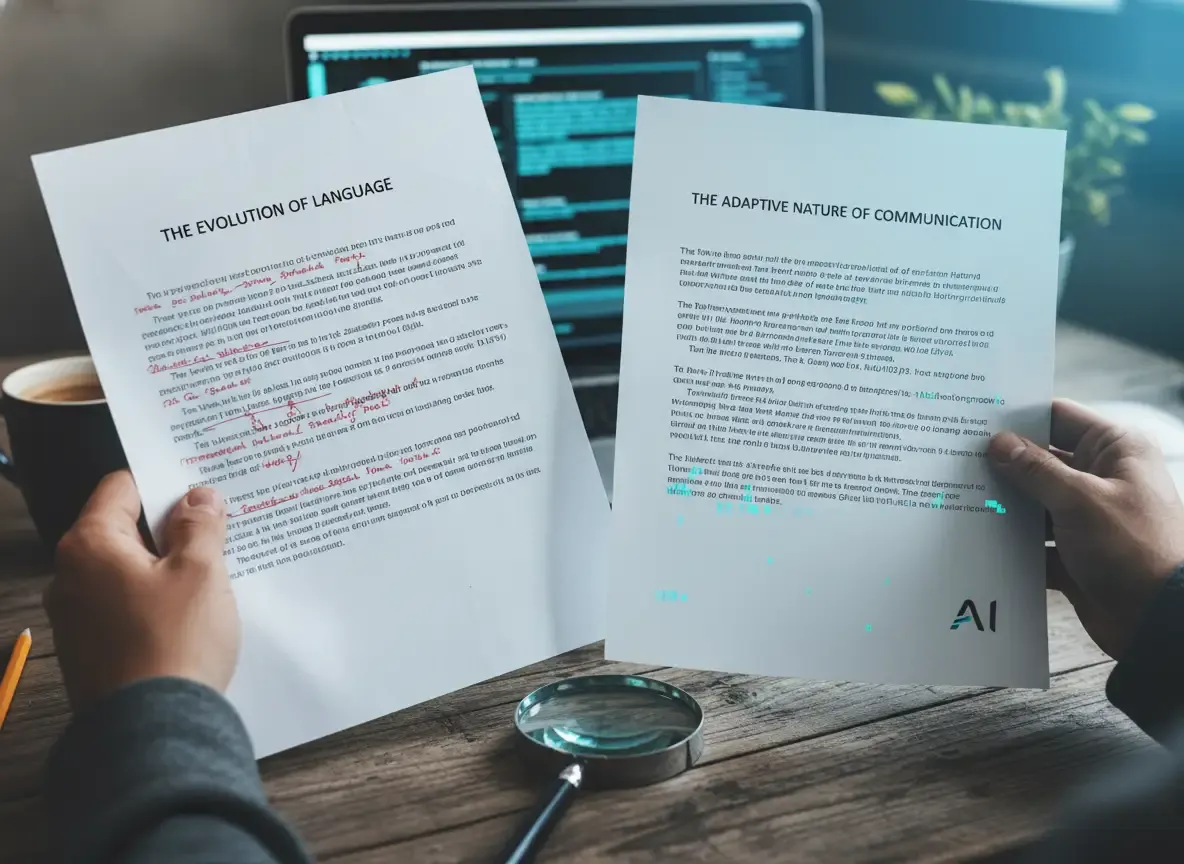
Smart computer programs are incredibly advanced. However, they don't create things exactly like a real camera or a real person would. When a smart computer program makes a fake image or video, it often leaves behind tiny, almost invisible 'tell-tale signs' or patterns. These aren't always obvious to your human eye. But smart computer programs, like the ones in Truth Lenses, can learn to spot them. Truth Lenses uses a combination of clever computer programs and advanced analysis techniques. These help it find these hidden clues. Here's a simplified look at how it works:
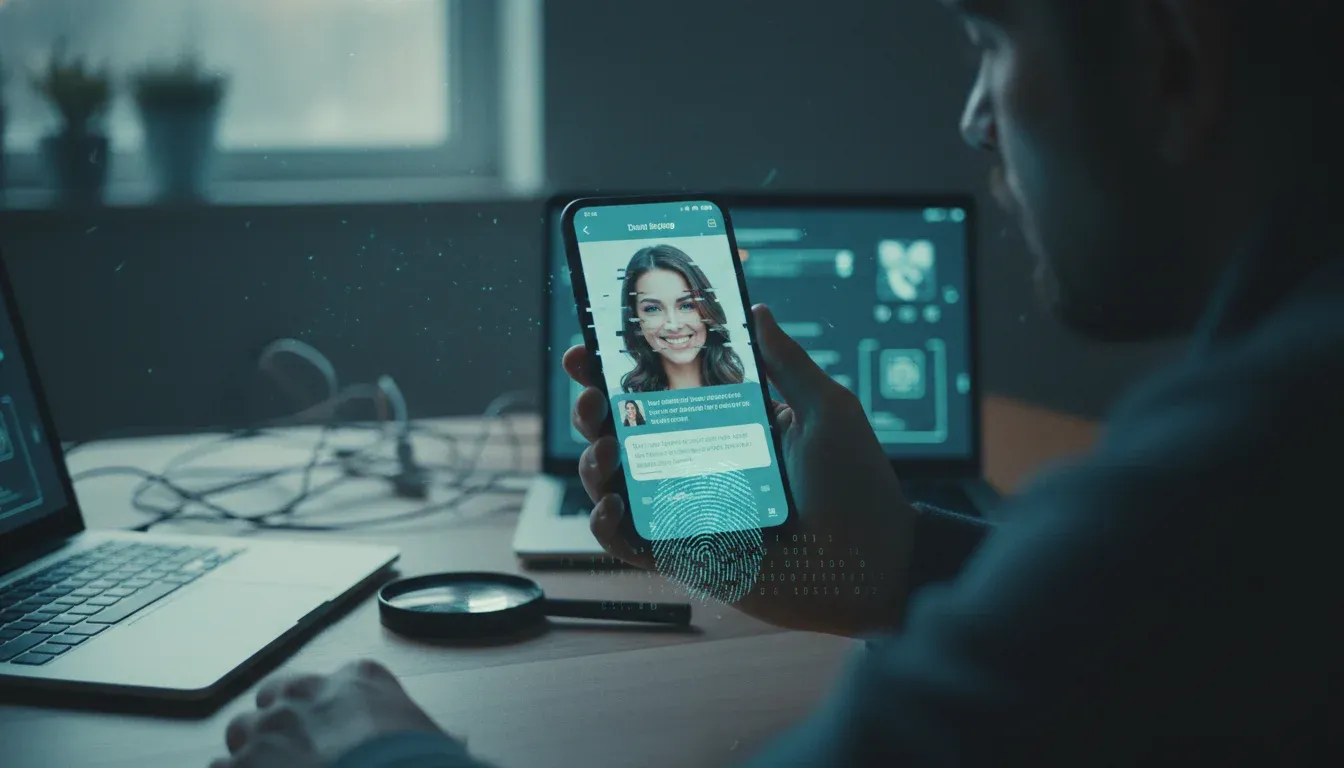
- You Upload: You simply upload the image or video you're curious about to the Truth Lenses website. It's a straightforward process, just like uploading a photo to social media.
- The Scan Begins: Our tools get to work. They analyze the media in many different ways:
- Looking for Strange Details: Smart computer programs often struggle with tiny, complex details. For instance, in a computer-made image, hands might look odd, with too many or too few fingers, or strange angles. Teeth might be too perfect or uneven, looking like a cartoon. Earlobes might be shaped strangely, or jewelry might not quite match. Lighting and shadows might not match the scene, making things look a little 'off' or fake. Truth Lenses looks for these subtle inconsistencies, like a digital detective searching for clues.
- Checking for Repeating Patterns: Sometimes, a smart computer program might accidentally repeat textures or patterns in the background of an image. It might also create blurry, dream-like areas that don't quite make sense. These are often signs that a computer created the image.
- Analyzing Video Flow: For videos, Truth Lenses can look at how people move, blink, or speak. Videos made by smart computer programs sometimes have jerky movements. They might show unnatural eye blinks, or voices that don't quite match the lip movements. These small errors are hard for the computer programs to get right.
- Digital ID Stamps: Some cameras and editing software add a kind of digital 'passport' or 'ID stamp' to images. This information can show where and when a photo was taken. It can also show if it's been changed. Truth Lenses can check for these digital clues, though not all media will have them.
- Get Your Results: In a short time, Truth Lenses gives you a clear result. It might say 'Likely Real,' 'Likely Computer-Made,' or 'Unable to Determine.' It provides a percentage confidence score. This helps you understand how strong its findings are. This helps you make an informed decision about whether to trust or share the content.
It's important to remember that this isn't magic. It's smart technology working to give you the best possible assessment. As smart computer programs get better at making fakes, Truth Lenses also gets smarter. It constantly updates its methods to stay ahead of the latest tricks.
Why You Need Truth Lenses
In our always-connected world, having a tool like Truth Lenses isn't just nice to have, it's becoming a necessity. Here's why you need it:
- Protect Yourself from Scams: Imagine a fake video call from a loved one asking for money in an emergency. Truth Lenses can help you verify if that call is truly from them. This can save you from falling for a clever trick.
- Make Informed Decisions: When you're reading the news or seeing stories online, especially around important events like elections, you need to know if the pictures and videos you're seeing are real. Truth Lenses helps you separate fact from fiction, so you can make better choices.
- Safeguard Your Family: Children and teens are especially vulnerable to online deception. Teaching them to question what they see and giving them tools to verify can protect them from harmful computer-made content and misinformation. It helps keep them safe.
- Stop the Spread of False Information: Every time a fake image or video is shared, it spreads further and faster. By verifying content before you share it, you become a part of the solution. You help to slow down the flow of lies online.
- Peace of Mind: In a world full of uncertainty, knowing you have a simple way to check the truth can give you a great sense of security and confidence when you're online. You can feel more secure in what you see.
A Real-World Scenario (Illustrative)
Let's imagine Sarah, a busy small business owner. One morning, she sees a shocking news story on her local social media group. The story claims a competitor, 'Bright Future Co.,' is using illegal tactics to steal customers. The post includes a dramatic video. It shows someone who looks exactly like the owner of Bright Future Co. doing something very shady with customer files. Sarah is furious and almost shares the video, wanting to warn everyone. But something feels a little off to her. The lighting in the video seems strange. The person's mouth movements don't quite match the words. Sarah remembers hearing about computer-made fakes and decides to pause. She quickly uploads the video to Truth Lenses. Within moments, the tool analyzes the video. It flags it with a high probability as 'Likely Computer-Made.' Truth Lenses even highlights a few areas in the video where the smart computer program's tell-tale signs were clearest. These included unnatural eye blinks and subtle distortions in the background. Sarah feels a wave of relief, then anger. She realizes she almost spread a completely fake story. This story could have severely damaged her competitor's reputation. It could have also hurt her own credibility in the community. Thanks to Truth Lenses, she verified the content before reacting. This protected herself and ensured she didn't contribute to online deception. Instead, she reported the fake video, becoming a part of the solution.
Spotting the Difference: Real vs. Computer-Made
Even without a tool, knowing some common signs can help you. Here's a quick guide to what to look for:
| What to Look For | Real Photo or Video (What You'd Expect) | Computer-Made Fake (Signs of a Trick) |
|---|---|---|
| Small Details | Everything looks sharp and consistent. Shadows fall naturally. Reflections in eyes or glass are clear and make sense. | Edges might look blurry or fuzzy. Lighting can seem off, coming from nowhere. Teeth might be too perfect or uneven. Jewelry could be mismatched or appear to float. |
| Background | The background is clear and makes sense with what's in front. It has natural depth, like a real scene. | The background might look distorted, like it's melting. You might see repeating patterns, like bricks that are exactly the same. It could be blurry in unnatural ways, or have strange objects that don't belong. |
| Movements (Video) | People move smoothly and naturally. Blinks are normal. Head turns are consistent. Facial expressions look real and change naturally. | Movements can be jerky or stiff, like a robot. Blinks might be too slow, too fast, or happen at odd times. Head turns might look unnatural. Facial expressions can seem frozen or fake. |
| Digital Clues | Often contains hidden camera information, like when and where it was taken. Pixel patterns, the tiny dots that make up the image, are consistent. | This information might be missing. You might see strange digital noise or graininess. Sometimes, computer-made images have perfect, unnatural symmetry that looks too good to be true. |
| Hands & Fingers | Hands and fingers usually look natural and have the correct number of fingers. | Hands are often distorted or look melted. You might see too many or too few fingers. Fingers can be at strange, impossible angles. This is a common giveaway for computer-made fakes. |
Beyond Just Spotting Fakes: Building Trust
Truth Lenses isn't just about finding the fakes. It's about helping you navigate the digital world with more confidence and less worry. It empowers you to be a smarter, more critical consumer of information. In an age where truth can feel slippery, having a reliable way to verify what you see is incredibly valuable for your peace of mind. Our aim is to contribute to a more truthful and trustworthy online space. By giving individuals like you the tools to check for yourselves, we help build a collective defense against misinformation and deliberate deception. It's a step towards restoring your confidence in the media you encounter every day.
What You Can Do Right Now
Being aware is the first step. Taking action is the next. Here are simple steps you can take today to protect yourself and others from computer-made fakes:
- Pause Before You Share: Don't instantly believe or share shocking content, especially if it makes you feel a strong emotion. Take a moment to think and question what you see.
- Look Closely: Train your eyes to spot odd details. Are the shadows right? Do the hands look natural? Is the background consistent? Even tiny inconsistencies can be clues that something isn't real. You can learn more about how to spot visual clues on our
/imageand/videopages. - Use Tools Like Truth Lenses: When in doubt, don't guess. Upload the image or video to Truth Lenses. It's a simple, fast way to get a professional assessment of its authenticity. Visit our
/how-it-workspage to see how easy it is to use. - Check Multiple Sources: Don't rely on just one place for important news or information. See if other trusted news outlets or reputable websites are reporting the same thing. This helps you get a fuller picture.
- Talk About It: Share what you learn about computer-made fakes and detection tools with your friends, family, and colleagues. Help them become smarter and more skeptical online too. Spreading awareness is a powerful defense against deception.
Frequently Asked Questions
Q: Can computer-made fakes really fool everyone?
A: Yes, they are getting incredibly good and can fool many people. However, the smart computer programs often leave tiny flaws. Tools like Truth Lenses are specifically designed to spot these flaws. While no tool is perfect, using Truth Lenses significantly increases your chances of identifying a fake.
Q: Is Truth Lenses always 100% accurate?
A: No tool can offer 100% accuracy, especially as smart computer program technology rapidly changes. Truth Lenses provides a strong likelihood and confidence score based on its analysis. It's a powerful guide to help you make an informed decision, rather than a definitive, final judgment.
Q: Will smart computer programs eventually get too good for any tool to detect?
A: The process of creating fakes and detecting fakes is a constant back-and-forth. As smart computer programs get smarter at making fakes, detection tools like Truth Lenses also get smarter. We learn new ways to spot them. We are always updating and improving our methods to stay ahead.
Don't let online deception steal your peace of mind. Truth Lenses gives you the power to see through the fakes and find the truth. Check out how easy it is to use our tools and start verifying content today at /how-it-works.