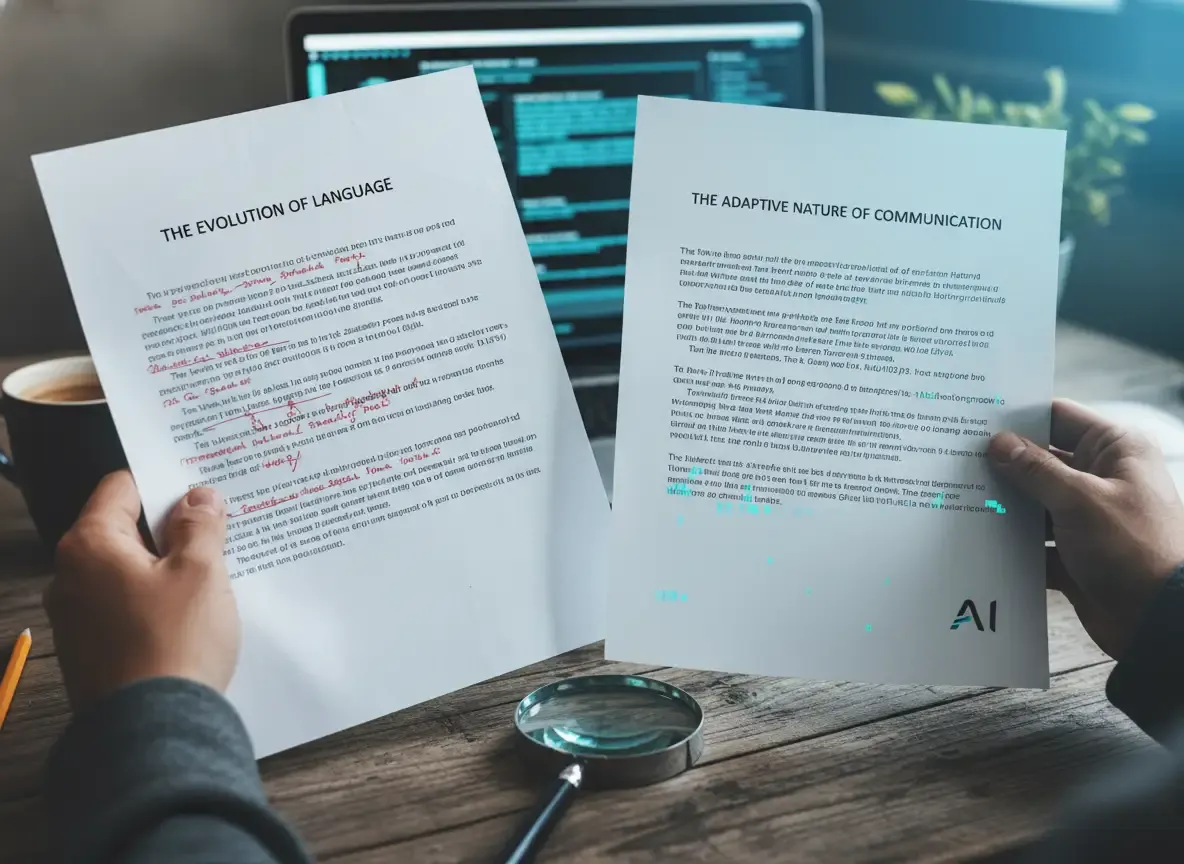
You're searching for a simple recipe for dinner, or maybe you're looking up reviews for a new gadget. You click on an article or a product page. A strange feeling washes over you. The words are there. They make sense individually. But the overall message feels empty. It feels robotic. It's like it's trying too hard to sound helpful but says nothing at all. This feeling? You've probably just stumbled upon what many are calling 'AI-made junk content.'
This is a big problem. It's growing fast. Powerful AI programs, also known as advanced computer programs, can create text, images, and even simple videos in seconds. While this technology can be incredibly useful, it also means a lot of low-quality, often misleading, content is flooding the internet. Knowing how to spot it is key. It helps you stay informed and safe online.
What Exactly Is "AI-Made Junk"?
Think of it like this: If high-quality, human-made content is a carefully prepared, delicious meal, then AI-made junk is like fast food that's been sitting under a heat lamp for too long. It might look okay from a distance. But it lacks real flavor, nutrition, and often, even basic quality.
AI-made junk content is material created by artificial intelligence programs. These programs usually work very quickly. They produce large amounts of content. The goal isn't always to trick you. Often, it's simply to fill space. It aims to get clicks. Or it provides just enough information to seem useful. This happens even if the content is generic, repetitive, or outright wrong.
Here's why this happens: AI doesn't understand things the way people do. Instead, it predicts patterns. It generates content based on the vast amounts of data it was trained on. Imagine it like a student who has read every book in the library. They can write a perfect essay by mimicking styles and facts. But they don't truly feel or experience the topic. If that training data is flawed, or if the instructions given to the AI are vague, the output can be messy. It can be full of errors.
For example, you might read a product review that sounds enthusiastic. But it uses the same five adjectives over and over. Or it praises features that aren't even relevant to the product. This is a tell-tale sign of computer-written junk. It's designed to sound good without offering real insights.
Why Is This a Problem for You?
This isn't just a minor annoyance. It has real consequences for your daily online life.
- Wasted Time: You spend ages sifting through useless articles. You waste time trying to find real answers. Imagine needing to fix a leaky faucet. You search for instructions. You find ten articles that all say the same vague things. None of them give you the specific steps you need. That's frustrating.
- Bad Information: This content can spread wrong facts or misleading advice. This can be harmful. It's especially dangerous for health or financial topics. What if you read an AI-generated article about a new diet? It might promote something unsafe. Or what if you get financial advice that isn't sound? This could impact your well-being or your wallet.
- Erodes Trust: When you keep seeing low-quality stuff, you start to doubt everything online. You become skeptical. It makes it harder for you to trust reliable sources. This can make you feel less confident in your online searches.
- Makes Finding Good Stuff Harder: The sheer volume of AI-made junk, or 'online clutter,' can bury genuine, helpful content from real people. Think of it like trying to find a specific book in a library. But someone has thrown thousands of blank pages onto the shelves. The good content is still there. But it's much harder for you to discover it.
- Spreading Wrong Ideas: Sometimes, this content is created on purpose. It aims to spread wrong information or ideas meant to trick you. This can influence your opinions. It can even impact important decisions. This is often called 'disinformation.'
Where You'll See This Online Clutter
AI-made junk isn't just one thing. It pops up in many forms. It makes the internet a noisier, less reliable place. It can be text, images, or even basic audio and video.
In Text Articles and Reviews
This is one of the most common places to find computer-written junk. Imagine you're searching for a review of a new smartphone. You click on a blog post.
- Repetitive Phrases: You notice the same phrases or sentences are used repeatedly. The article might say, "This phone offers an incredible user experience," several times. It says it in slightly different ways. But it doesn't add new details.
- Generic Language: The language is bland. It lacks any unique voice or specific examples. It might describe a product as "innovative" or "high-quality." But it won't tell you how it's innovative or why the quality is good. It just uses buzzwords.
- Awkward Phrasing or Grammar Quirks: Sometimes, the AI makes small mistakes. It might use words in slightly the wrong context. Or it might have sentences that just don't flow naturally. It's like reading something translated poorly.
- Lack of Specifics: The content avoids specific details, anecdotes, or personal experiences. A human reviewer might talk about a specific app they used. Or they might share a funny story about trying a product. AI-generated content rarely does this.
- Overly Positive or Negative: Reviews might be excessively positive. They might sound like a marketing brochure. Or they could be overly negative. They might use extreme language without providing balanced viewpoints. This often happens without giving concrete reasons.
You might find this kind of text in blog posts, news articles, product descriptions, or even social media comments. Many websites use powerful AI programs to quickly generate content. They do this to make their pages show up higher in search results. This is a technique called making things show up higher in search results.
In Images and Art
AI can now create incredibly realistic images. But often, there are subtle clues that give them away. You might see these images in fake news stories. Or they could be in advertisements. They might even appear as profile pictures for automated computer programs.
- Uncanny Valley Effect: Sometimes, an AI-made face looks almost human. But it feels subtly "off." It might have an unnatural smoothness. Or its eyes might seem lifeless. This can make you feel uneasy.
- Distorted or Extra Limbs/Fingers: This is a classic giveaway. Look closely at hands. AI often struggles with rendering them correctly. You might see too many fingers. Or fingers might be bent at strange angles. Limbs can also appear elongated or oddly proportioned.
- Inconsistent Shadows and Lighting: The light source in an image might not make sense. Shadows might fall in odd directions. Or different parts of the image might look like they were lit from different angles.
- Strange Backgrounds: The background might be blurry. Or it might contain nonsensical details. It could have objects that don't quite belong. Sometimes, the background elements seem to melt into each other.
- Repetitive Patterns: In complex textures or crowd scenes, you might notice patterns repeating unnaturally. This is a sign the AI is generating rather than truly understanding.
- Unrealistic Details: Look at small details like jewelry, clothing patterns, or text in the background. They might be distorted. Or they could be completely unreadable.
You can often spot these issues if you zoom in and examine the image carefully. Your gut feeling can also be a good indicator. If something looks "too perfect" or "just not right," it might be an AI creation.
In Audio and Video (Convincing AI Fakes)
This is perhaps the most concerning area. AI can now create very convincing fake voices and videos. These are often called "convincing AI fakes." They can make it seem like someone said or did something they never did.
- Robotic or Monotone Voices: Listen carefully to the voice. Does it sound flat? Does it lack natural emotion? Is the pacing too consistent? This can be a sign of an AI-generated voice.
- Lip-Sync Issues: In fake videos, the person's lips might not perfectly match the words being spoken. There can be a slight delay. Or the mouth movements might look unnatural.
- Unnatural Facial Expressions: The person in the video might have limited facial expressions. Or their expressions might seem to change abruptly. Their eyes might not blink naturally. They might not make eye contact in a realistic way.
- Inconsistent Sound Quality: The audio might suddenly change quality. It might sound muffled in one part. Then it might sound crystal clear in another. This can suggest different audio clips were stitched together.
- Strange Eye Movements: The eyes might dart around too much. Or they might stare blankly. They might not follow the natural gaze of a person speaking.
Convincing AI fakes are often used in scams. They can also be used to spread information meant to trick you. Imagine getting a phone call from what sounds like your boss. They might ask you to transfer money urgently. But it could be an AI-made voice.
The Goal Behind the Junk
Why do people create so much AI-made junk? There are several reasons, and understanding them can help you stay alert.
- Making Things Show Up Higher in Search Results (SEO Manipulation): Many websites want to appear at the top of your search results. They use AI to quickly generate articles. These articles are often filled with keywords. The hope is that search engines will rank them higher. This brings more clicks to their site. But the content itself offers little value.
- Clickbait and Advertising Revenue: More clicks mean more money from ads. Low-quality AI content can be churned out quickly. It can be designed to grab your attention. It might have sensational headlines. Once you click, you're exposed to ads. The quality of the article doesn't matter as much to the creator.
- Spreading Wrong Information (Misinformation) or Information Meant to Trick You (Disinformation): This is a more malicious use. AI can generate fake news articles. It can create social media posts. These can spread false narratives. They can influence public opinion. They can even create panic. This is a serious threat to our society.
- Scams and Fraud: As mentioned with convincing AI fakes, AI is used in sophisticated scams. Fake voices can mimic loved ones. Fake images can create convincing fake profiles. These are designed to trick you into giving away money or personal information.
- Filling Space and Low-Cost Content Creation: For some businesses, AI is a cheap way to fill their websites. They might need thousands of product descriptions. Or they might need blog posts on every conceivable topic. AI can do this quickly and cheaply. But it often sacrifices quality.
Protecting Yourself: Tools and Techniques
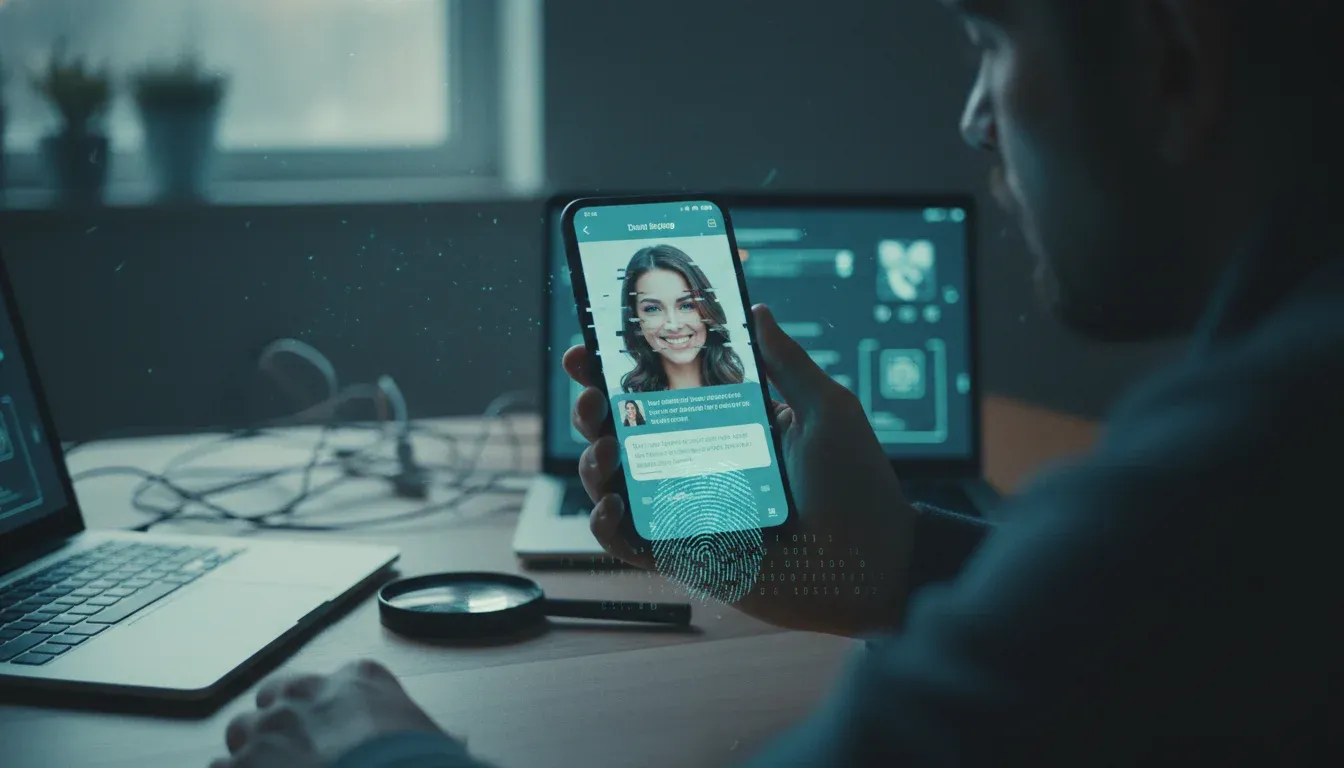
The good news is that technology is also developing ways to fight back against this flood of junk. One important development is the idea of a "digital ID stamp."
Digital ID Stamps for Content
Imagine every piece of digital content, whether it's an image, a video, or a text document, came with a special, hidden label. This label would tell you exactly where it came from. It would say who created it. It would also say if it has been changed in any way. This is the concept behind a "digital ID stamp."
Organizations are working on standards for this. These standards would embed information directly into the file. This information would act like a birth certificate for your digital content. If an image was created by an AI, its digital ID stamp could say so. If a photo was taken by a specific camera, the stamp would show that. If someone edited that photo, the stamp would record the changes.
This technology is still developing. But it promises to give you more transparency. It would help you verify the origin of what you see online. You could potentially see a little icon or message. It would tell you if content has a verified digital ID stamp. Or it would tell you if it's unverified.
Critical Thinking: Your Best Defense
While technology helps, your own critical thinking skills are still your most powerful tool. You need to be a digital detective. Always question what you see and read online. Don't take everything at face value.
- Consider the Source: Who published this? Is it a reputable news organization? Or is it an unknown blog? Does the website look professional? Or does it seem hastily put together?
- Look for Multiple Sources: If something seems important, check other reliable news outlets. See if they are reporting the same information. If only one obscure site is saying something, be skeptical.
- Examine the Details: Apply the tips we discussed for text, images, and video. Look for the subtle clues. Do the hands look weird? Is the language generic? Does the voice sound off?
- Trust Your Gut: If something feels "off" or "too good to be true," it often is. Your intuition is a powerful tool. Pay attention to that feeling.
- Be Aware of Your Own Biases: We tend to believe things that confirm what we already think. Be mindful of this. Actively seek out different perspectives.
The internet is an amazing resource. But it requires you to be an active, thoughtful consumer of information. By being aware of AI-made junk and knowing how to spot it, you can navigate the online world more safely and effectively. You can ensure you're getting real, valuable information.
What You Can Do Right Now
Here are some simple steps you can take today to protect yourself from online junk:
- Pause and Question: Before you share or fully believe something, take a moment. Ask yourself, "Does this seem real?" Look for the signs of AI-generated content.
- Check the Source: Always look at who published the information. Is it a well-known, trustworthy site? Or is it an unfamiliar blog or social media account?
- Look for Specifics: Real human-written content usually has specific details, examples, and personal touches. If an article is vague or repetitive, be suspicious.
- Reverse Image Search: If an image looks suspicious, use a reverse image search tool (like Google Images or TinEye). This can show you where else the image has appeared. It can help you see if it's been used out of context or is a known fake.
- Verify with Multiple Reputable Sources: For important news or information, don't rely on just one article. Check at least two or three other trusted news organizations or expert sites to confirm the facts.
By following these steps, you can become a much savvier internet user. You can protect yourself from the growing flood of AI-made junk. You can ensure you get the real information you need.