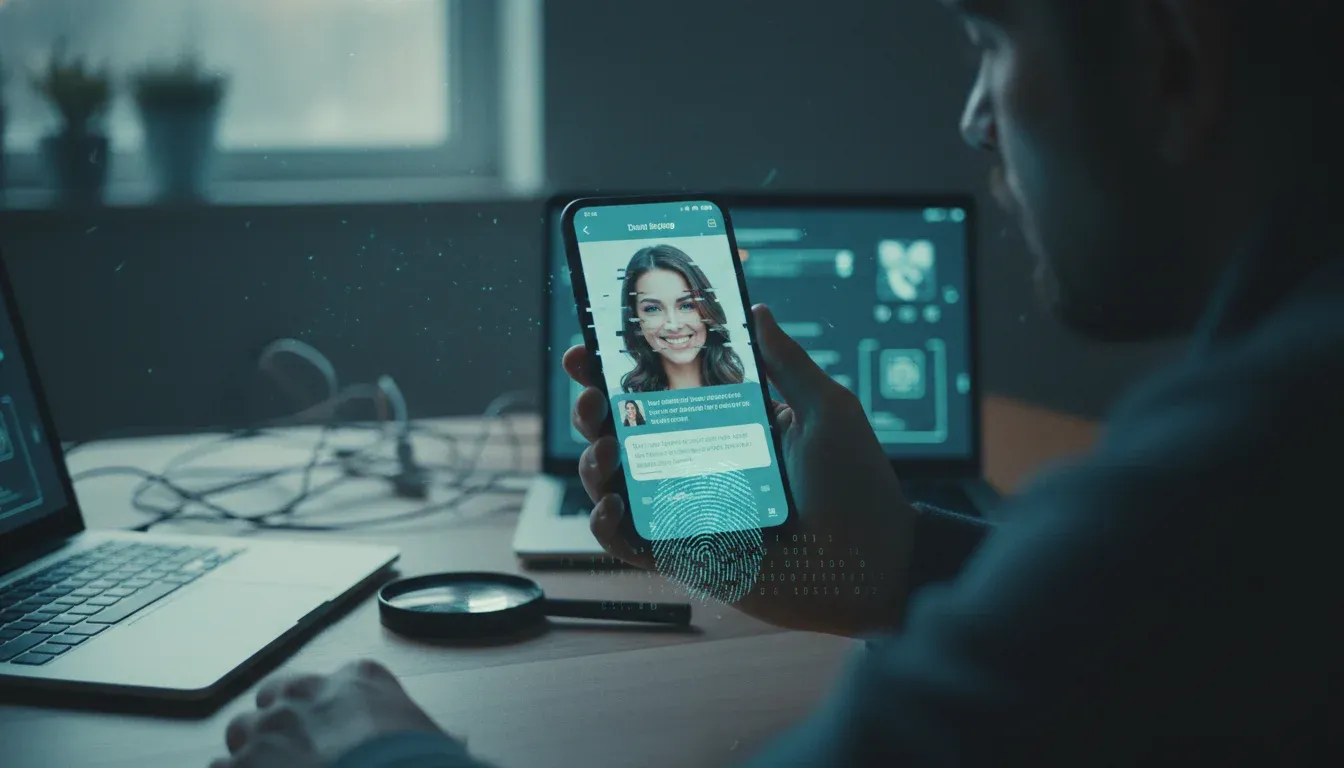
You're scrolling through dating apps, looking for a connection. A profile pops up: stunning photos, a charming bio, and interests that seem to perfectly match yours. You feel a spark. But what if the person behind that profile isn't real at all? What if it's a computer program, created by scammers to trick you?
This isn't science fiction anymore. Computer programs are making it easier than ever for scammers to create fake dating profiles. These fakes are almost impossible to tell apart from genuine ones. This new wave of online deception is often called "Catfish 2.0." It takes the old trick of pretending to be someone else to a whole new level.
How Computer Programs Build a Fake Profile
Think about what makes a dating profile convincing. It needs a good photo, a well-written bio, and engaging messages. Computer programs can now generate all of these things. This makes them a powerful tool for scammers.
Faces and Bodies Made by Computers
One of the biggest giveaways of a fake profile used to be strange-looking photos. Not anymore. Modern computer programs can create faces that look completely real, even though they belong to no actual person. These "faces made by computers" can be generated in endless variations:
- Perfectly Symmetrical: Often, faces made by computers look almost too perfect. They might have unnaturally smooth skin, a complete lack of pores, and ideal lighting. This can make them seem flawless, almost like a mannequin or a model in a high-end magazine. Real people have small imperfections, like a tiny wrinkle or an uneven skin tone. Computer programs often miss these natural details.
- Odd Details: Sometimes, if you look closely, you might spot weird details. A blurry background that doesn't quite make sense, or objects that seem to melt into each other. You might also see strange earrings, a missing earlobe, or even ears that seem to melt into the jawline. Glasses might have weird reflections or arms that don't quite connect. Look for eyes that don't quite focus in the same direction. Or you might see jewelry that looks painted on rather than real. Sometimes, you might even spot an extra finger or a hand with an unnatural number of digits. Computer programs struggle with the fine details of human anatomy and physics.
- Inconsistent Features: If there are multiple photos, check if the person's face changes subtly between them. Hair might be slightly different, or facial moles might appear and disappear. This is a big red flag. A real person's features stay consistent, even if their hairstyle changes. Computer programs might generate slightly different versions of the same face in each image, leading to these inconsistencies.
Scammers use special computer programs to create these images. They just type in what they want, like "woman with brown hair, smiling, outdoors," and the program makes it up. This means they don't have to steal photos from real people anymore. This makes their fakes much harder to track.
Computer Programs That Write Like a Human
Beyond the photos, computer programs are also incredibly good at writing messages. They can craft interesting profiles and engaging messages that sound just like a real person wrote them. Scammers feed the computer program common dating profile phrases, popular interests, and even personality types. The program then mixes and matches these to create unique, believable text.
- Generic but Appealing Bios: You might see bios that are a little too perfect. They'll mention loving travel, good food, and deep conversations. For example, a bio might read: "Adventurous soul seeking genuine connection. Love exploring new places, enjoying good food, and deep conversations by the fire. Looking for someone honest and kind." While these are common interests, computer programs can combine them in ways that feel tailored to a wide audience. This makes the profile appealing to many people, but it often lacks the unique quirks that make a real person stand out. Your own profile probably has more specific, personal touches.
- Fast, Flirty, and Flattering Messages: Once you start chatting, the computer program can keep the conversation going. It can respond quickly, use flattering language, and ask questions that make you feel understood. For instance, it might say, "You're so insightful, I feel like we've known each other forever!" or "Your profile really stood out; you seem incredibly interesting." It's designed to build a connection fast. This often moves things along faster than a real person might, trying to rush you into a deeper relationship.
- Avoiding Specifics: Computer-written messages often avoid giving very specific details about their "life." If you ask about their job, they might give a vague answer like "I work in finance" instead of describing their actual role. For example, they won't say, "I'm an accountant at a small firm downtown." This helps them avoid getting caught in a lie, as they don't have a real life to draw details from. Your conversations might feel like they're always about you or very general topics, never diving deep into their personal experiences.
Quick Tip: If a profile's photos look like they belong in a magazine, and the bio reads like a perfectly crafted sales pitch, take a second look. It might be too good to be true. Trust your gut feeling if something feels off.
Computer Programs That Learn to Trick You
The scariest part is that these computer programs can learn. Scammers can use feedback from past interactions to make their programs better at fooling people. The program can adjust its language, its responses, and even its personality based on what works best to keep someone engaged and trusting.
This means that over time, these computer-made fakes become more sophisticated and harder to detect. They learn which phrases build trust, which stories sound convincing, and how to avoid triggering your suspicions. They are constantly improving their methods of deception, making it even more important for you to be aware and cautious.
Why Scammers Use Computer Programs for Catfishing
The reasons behind using computer programs for catfishing are usually the same as traditional catfishing. However, computer programs make it much easier and more effective for scammers. They can manage many fake profiles at once, increasing their chances of finding victims.
- Money: This is the most common goal. Scammers will build a relationship with you. They will gain your trust. Then, after weeks or months, they will ask for money for a "medical emergency," "travel to meet you," or a "business investment." This is often called a "romance scam." They play on your emotions to get you to send them money, promising to repay you or to be with you soon.
- Personal Information Theft: They might try to get your full name, address, birth date, or even financial details. This information can then be used for identity theft. They might ask for details under the guise of wanting to send you a gift, or to plan a future together. Always be careful about what personal information you share online.
- Emotional Manipulation: Some scammers simply enjoy the power of manipulating others. They thrive on the emotional connection they build, even if it's fake. They get a thrill from seeing how much control they can exert over someone's feelings. This can be just as damaging as losing money, as it leaves you feeling betrayed and hurt.
- Spreading Harmful Software: Less common, but sometimes they might try to get you to click on a bad link. This link installs harmful software on your device. This software could steal your information or damage your computer. Always be wary of links sent by strangers.
A Real Story: Maria's Close Call
Maria, a 45-year-old teacher, decided to try online dating after a long break. She matched with a man named "David." His photos were striking: handsome, smiling, always in interesting places. His bio was charming, talking about his love for hiking and volunteering. Maria felt a genuine connection forming. She thought she had found someone special.
They started chatting, and David was incredibly attentive. He'd message her good morning, ask about her day, and remember small details she'd mentioned. He seemed perfect. Maria found herself getting excited about his messages. But she noticed a few odd things. When she tried to video call, he always had an excuse. It was always a bad signal, being busy at work, or a broken camera. His stories were always a little vague. He never talked about his friends or family in detail. He never mentioned specific places he'd hiked, or particular volunteer projects. It was always general, like he was reading from a script.
One evening, Maria was looking at one of David's profile photos, a close-up of his face. She zoomed in and saw a strange blur around his earlobe. It almost looked like it wasn't quite attached to his head. This made her feel uneasy. She then used a tool to search for pictures online, like the one found on Truth Lenses. She discovered the photo was actually an image made by a computer program. It had appeared on a website showcasing computer-generated art. It wasn't a real person at all. Maria was heartbroken, but also incredibly relieved. She realized she had almost fallen for a sophisticated scam. She immediately reported the profile to the dating app, protecting herself and potentially others from this deception.
How to Spot a Computer-Made Fake Profile
Spotting these advanced fakes requires a bit more detective work from you. Here's what to look for:
Red Flags in Photos
| What You See | What It Might Mean | Action to Take |
|---|---|---|
| Too Perfect/Flawless | Computer programs often generate idealized faces; unnaturally smooth skin, no pores. | Look for natural flaws or imperfections that real people have. |
| Blurry or Strange Backgrounds | Computer programs struggle with complex backgrounds; they can look distorted or inconsistent. | Zoom in on the background. Does it look real and make sense for the person? |
| Odd Details on Face/Body | Missing earlobes, weird reflections in eyes, extra fingers, jewelry that looks painted on, ears that melt into the jawline. | Scrutinize hands, ears, eyes, and hair. Are they consistent and natural? |
| Inconsistent Photos | Different hair styles, facial features changing slightly across photos, or different lighting. | Compare all photos carefully. Do they look like the same person at different times and places? |
| Lack of Variety | All photos are selfies, or professional-looking headshots, no casual snaps with friends or family. | Real profiles usually have a mix of posed and candid shots, showing different aspects of their life. |
| No Online Presence | No links to Instagram, Facebook, or other platforms. | Search their name online. A lack of online presence is suspicious. Everyone usually has some digital footprint. |
Learn more about detecting fake images on our /image page.
Red Flags in Text and Conversation
- Vague or Generic Language: Their profile or messages sound like they could apply to anyone. They avoid specific details about their life, job, or location. For example, they might say they "work in business" instead of a specific role.
- Too Eager for a Relationship: They might declare strong feelings very quickly, often within days or weeks. They rush to call you their "soulmate" or "the one." This is a tactic to build trust quickly and manipulate your emotions.
- Excuses for Not Meeting/Video Calling: They'll always have a reason why they can't meet in person, video chat, or even talk on the phone. This is a classic scammer tactic. A real person who is interested in you will usually want to see and hear you.
- Poor Grammar/Spelling (Sometimes): While computer programs are good at writing, sometimes scammers might use programs with limited English skills. Or they might intentionally introduce errors to seem more "human." Always be wary of inconsistent language or sudden changes in their writing style.
- Asking for Money or Personal Info: This is the biggest red flag. If someone you've never met asks for money, gift cards, or sensitive personal details, stop immediately. Never share your bank details, social security number, or other private information.
- Stories of Hardship: They might tell sad stories about family emergencies, business troubles, or medical issues that require financial help. These stories are designed to make you feel sorry for them and send them money.
- Isolation Tactics: They might try to convince you to leave the dating app and move to a private messaging app (like WhatsApp). This makes it harder for the dating app to catch them. They want to get you off the platform where you might report them.
What You Can Do Right Now
Protecting yourself from computer-powered catfishing is crucial. Here are simple steps you can take today to keep yourself safe:
- Be a Skeptic: If a profile seems too perfect, it probably is. Question everything that feels off. A healthy dose of doubt can save you a lot of trouble and heartache. It's better to be safe than sorry when it comes to online connections.
- Search for the Picture Online: Take their profile picture and use a tool like Google Images or TinEye. This helps you see if the photo appears elsewhere online. If it shows up on stock photo sites, multiple different profiles, or computer art galleries, it's a fake. Truth Lenses also offers tools to help you with this. You can find them on our page about how our technology works.
- Insist on Video Calls: If someone refuses to video chat after a reasonable amount of time, it's a huge red flag. A real person with nothing to hide will likely be happy to show their face and talk to you. If they always have an excuse, it's time to be suspicious.
- Guard Your Information and Money: Never send money, gift cards, or reveal sensitive personal information (like your bank details or social security number) to someone you haven't met in person and truly trust. Be especially wary if they pressure you or create an urgent situation.
- Report and Block: If you suspect a profile is fake, report it to the dating app immediately. Then, block the user. This helps protect others and removes the scammer from the platform. Your actions can prevent someone else from falling victim.
Frequently Asked Questions
What is computer program catfishing?
Computer program catfishing is when someone uses artificial intelligence to create fake dating profiles. The computer program can generate realistic photos, write convincing profiles, and even chat like a real person. Scammers use these fake profiles to trick people into giving them money or personal information.
How can I tell if a dating profile is fake or made by a computer program?
Look for clues in the photos. They might be too perfect, have strange details, or blurry backgrounds. Check the profile description. It might be too generic or overly flattering. Pay attention to conversations. They might rush intimacy, give vague answers, refuse video calls, or ask for money. Using a tool to search for their pictures online is a powerful way to check if they are real.
What should I do if I think I'm talking to a scammer using computer programs?
Stop all communication immediately. Do not send any money or share any more personal details. Report the profile to the dating app's support team and then block the user. You can also report the scam to authorities if you've lost money or shared sensitive information. Your safety is the most important thing.
Stay safe out there. Understanding how computer-made fakes work is your best defense. Truth Lenses offers more tools and articles to help you spot digital deception and protect yourself online. Visit our main page to learn more.