You get a call. It sounds exactly like your boss, but the message is urgent. "I'm stuck in a meeting, send this payment right away!" Or maybe you see an online ad for an investment that promises huge returns with no risk. Both feel real, but something in your gut whispers, "Is this too good to be true?"
That unsettling feeling is more important than ever. With new AI tools, scammers can create incredibly convincing fakes. They can mimic voices, create fake videos, and write messages that seem perfectly normal. This makes it much harder for you to tell what's real and what's a trick.
What Makes AI Scams Different from Old Tricks?
Think about old scams. Perhaps you remember a poorly written email from a "prince" in a faraway land. You could often spot these because of bad grammar or strange requests. AI changes all of that. It gives scammers powerful new tools to make their tricks look and sound incredibly real, making it much harder for you to recognize them.
AI's ability to create realistic content means the old red flags, like misspelled words or awkward phrasing, are often gone. Instead, you're faced with messages, images, and sounds that appear flawless. This level of sophistication is what sets AI scams apart, turning simple cons into highly polished deceptions that can easily bypass your usual defenses.
More Believable Fakes
Imagine a scammer creating a fake video of a CEO promoting a dodgy investment. Before AI, this would be nearly impossible. Now, with AI-made fake video, often called a "deepfake," they can make a person say and do things they never did. This isn't just a bad photoshop job anymore. It's a moving, talking person who isn't real, designed to earn your trust and your money.
These deepfakes can be so convincing that your eyes and ears might tell you it's real, even when your gut says otherwise. The technology can create realistic facial expressions, body language, and even subtle gestures. This makes the fake person seem truly alive and trustworthy, pulling you deeper into the scam before you have a chance to question what you're seeing.
Personalized Attacks
AI can also make scams feel incredibly personal to you. Instead of a generic email, an AI can write a message that uses specific details about your life it found online. This information might come from your social media profiles, public records, or even data breaches. The scammer can then craft a message that sounds like someone you know, uses your interests, or even mentions your local area. This personalized approach makes you much more likely to trust the message and fall for the trap, as it feels specifically targeted to you.
This level of personalization can be unsettling. It feels like the scammer knows you, which can break down your natural skepticism. They can tailor their approach to your specific vulnerabilities, whether it's an interest in a particular hobby, a concern about a local issue, or a relationship with a loved one. The more personal the attack, the harder it is for you to recognize it as a scam.
Quick Tip: If a message feels too perfect or too personal, it might be a sign that AI is at work trying to manipulate you. Take a moment to pause and question why someone would know so much about you.
Common Types of AI Scams You Need to Know About
Scammers are using AI in many different ways. Here are some of the most common types of AI scams to watch out for, each designed to exploit your trust and urgency.
Voice Cloning Scams
This is one of the scariest types of AI scams. Scammers use a small sound clip of someone's voice, perhaps from a social media video, a voicemail, or even a public interview. They then use AI to "clone" it, meaning they can make that copied voice say anything they want. You might get a call from what sounds exactly like your child, parent, or spouse, saying they're in trouble and need money urgently. The voice is so real, so familiar, that your first instinct is to help immediately, not to question it. Your heart might pound with panic, making it difficult to think clearly.
Imagine hearing your child's panicked voice, pleading for help, saying they're in an accident or arrested. The sheer emotional impact can override your critical thinking. Scammers often add background noise to make the situation sound more chaotic and believable. This tactic preys on your deepest affections and your desire to protect your loved ones, making it incredibly effective and devastating for victims.
Fake Video and Deepfake Scams
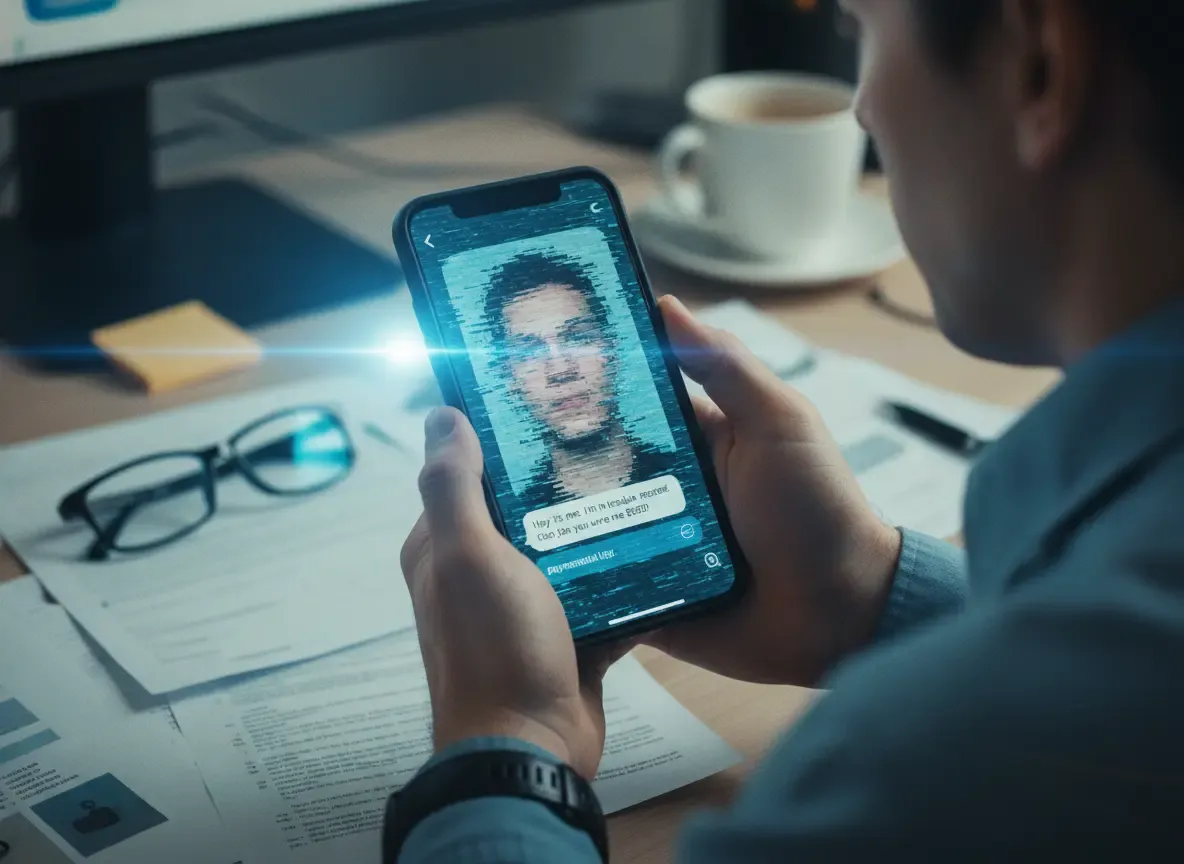
These scams use AI to create fake videos of real people, known as "deepfakes." You might see a video call from your boss telling you to transfer money, or a video of a celebrity endorsing a fake product. The AI-made fake video can be so good that it's nearly impossible to tell it's not real. You might notice subtle distortions, strange eye movements, or lip-sync that's slightly off, but these flaws are becoming rarer. These deepfakes are often used in investment scams or to spread false information, making you believe something is true when it's entirely fabricated.
The visual realism of deepfakes can be incredibly unsettling. You might feel a strange sense of unease, a feeling that something isn't quite right, even if you can't pinpoint it. This "uncanny valley" effect, where something looks almost human but not quite, can be a subtle clue. Scammers leverage the power of visual evidence, knowing that seeing is believing for most people. They create scenarios that look utterly authentic, from news reports to video conferences, to trick you into taking action.
AI-Powered Investment Scams
Scammers create fake websites and social media pages that look very professional. They use AI to write compelling sales pitches, generate realistic stock charts, and even create fake testimonials from "successful investors." These scams often promise incredibly high returns with no risk, pushing you to invest quickly before you have time to think. The entire setup, from the website design to the customer support chat, can be AI-generated to seem legitimate. You might feel a rush of excitement, a sense of urgency to get in on a great deal, which is exactly what the scammers want.
These sophisticated operations can mimic legitimate financial institutions, complete with impressive graphics and persuasive language. The AI can even generate personalized emails and messages, making you feel like a valued potential investor. They play on your hopes of financial freedom, urging you to make quick decisions before you can consult with a real financial advisor or conduct thorough research. The pressure to act fast, combined with the professional appearance, makes these scams particularly dangerous.
Romance Scams with an AI Twist
In these scams, a fake profile is created on dating sites or social media. The scammer uses AI to generate realistic photos and write long, convincing messages. They build a deep emotional connection with you over time, often over weeks or months, making you feel truly understood and loved. Then, they invent an emergency and ask for money. AI helps them keep the conversation going, crafting emotionally resonant replies and maintaining the illusion of a deep, personal relationship. This makes the fake relationship feel incredibly real and personal, leaving you emotionally vulnerable.
The AI's ability to sustain complex, empathetic conversations makes these scams particularly cruel. It can learn your preferences, your dreams, and your fears, using this information to deepen the emotional bond. You might feel a profound connection, a sense of finding your soulmate, only to realize it was all a carefully constructed lie. The emotional toll of these scams can be devastating, far beyond just the financial loss.
Highly Personalized Phishing and Smishing
Phishing, which involves fake emails, and smishing, which involves fake texts, aren't new. But AI makes them much more dangerous. Instead of generic messages with obvious errors, AI can craft smart fake messages that look exactly like they're from your bank, a government agency, or a company you use regularly. They might even include specific details about you, like a recent purchase or a bill, making them much harder for you to identify as fake. These messages often try to get you to click a bad link or give up personal information, such as your passwords or bank account numbers.
AI-enhanced phishing emails and smishing texts often have perfect grammar and spelling, removing the common red flags of older scams. They can mimic the tone and style of legitimate organizations so well that you might not suspect anything is wrong. You might feel a sudden jolt of concern when you see a message about an urgent account issue, prompting you to click without thinking. This combination of personalization and apparent legitimacy makes them incredibly effective at tricking you into revealing sensitive data.
Fake Job Offers
Scammers create fake job listings and even conduct fake interviews using AI-generated personas. Their goal is to get your personal information, like your bank details for "direct deposit" or your social security number for "background checks." They might even ask you to pay for training materials or equipment, which never arrives. The entire hiring process, from the initial contact to the final "offer," can feel professional, thanks to AI. You might feel excited about a new opportunity, making you less likely to question unusual requests.
These scams often target individuals who are eager for employment, making them particularly vulnerable. The AI can generate convincing job descriptions, create professional-looking company websites, and even conduct realistic chat-based interviews. You might go through several stages of a seemingly legitimate hiring process, investing your time and hope, only to find yourself out of pocket and with your personal information compromised. The promise of a dream job can be a powerful motivator, blinding you to the subtle signs of a scam.
How AI Makes Scams So Convincing
AI's ability to create and learn is what makes these scams so powerful and hard to detect. It's not just about making a single fake picture. It's about making a whole fake world that draws you in and makes you question your own judgment.
Perfect Fakes
AI can generate images, videos, and audio that are almost impossible for you to distinguish from real ones. This means the visual and audio clues we once used to spot fakes are disappearing. A picture of a product, a video of a spokesperson, or a voice on the phone can all be completely made up by AI. This can leave you feeling disoriented and unsure of what to trust, as your own senses might be deceiving you.
The technology behind these perfect fakes is constantly improving. AI models are trained on vast amounts of real data, allowing them to learn and replicate the subtle nuances of human appearance, speech, and behavior. This means that the glitches and imperfections that once gave away a fake are becoming increasingly rare. You might find yourself staring at a deepfake video, feeling a strange sense of unease, but unable to pinpoint exactly what feels wrong, making it harder to trust your own instincts.
A Personal Touch
AI can analyze huge amounts of data about people, often gathered from public social media profiles or data breaches. This means it can create messages and scenarios tailored specifically to you. It might know what you've recently bought, what news stories you've read, or even your political views. This personal touch makes the scam feel less random and more targeted, significantly increasing the chances you'll fall for it. You might feel a creepy sense that the scammer knows you intimately, which can be very unsettling.
This level of personalization goes beyond just using your name. AI can craft narratives that resonate with your personal experiences, hopes, and fears. If you've recently posted about a new pet, an AI scammer might weave that into their message. If you've expressed political opinions, they might use that to build a false sense of shared values. This tailored approach makes the scam feel incredibly relevant to your life, lowering your guard and making you more susceptible to manipulation.
Emotional Manipulation
AI can be designed to understand human emotions. Scammers can use AI to craft messages that play on your deepest fears, hopes, or desires. Whether it's the fear of a loved one in danger, the hope of getting rich quickly, or the desire for companionship, AI can help scammers hit just the right emotional notes to make you act without thinking. The AI can learn from your responses, refining its approach to maximize its emotional impact on you.
This emotional targeting is incredibly powerful. The AI can generate messages that evoke strong feelings of panic, excitement, or empathy, pushing you to make impulsive decisions. For example, in a romance scam, the AI can craft loving messages that build a strong emotional bond, making you feel deeply connected to the fake persona. In an urgent voice cloning scam, the AI can replicate the sound of distress so perfectly that your natural instinct to help takes over, overriding any logical doubts you might have. This exploitation of your emotions is a core component of modern AI scams.
Red Flags: How to Spot an AI Scam
Even with advanced AI, there are still signs you can look for. It's about slowing down and paying close attention to details. Trust your gut feeling, even if you can't immediately explain why something feels off.
| What to Look For | AI Scam Sign | What a Real Situation Looks Like |
|---|---|---|
| Urgency | "Act now!" "Immediate transfer!" No time to think. | Gives you time, options, doesn't pressure. |
| Payment Method | Gift cards, cryptocurrency, wire transfers to unknown accounts. | Standard banking, secure online payments. |
| Unusual Requests | Asking for personal info (SSN, passwords) over text/email. | Legit organizations use secure portals or ask for verification in person. |
| Sound/Video Quality | Slight distortions, robotic tone, mismatched lip-sync in videos. | Clear, natural sound and video. |
| "Too Good to Be True" | Amazing deals, huge profits with no risk, lottery wins you didn't enter. | Realistic offers, always some risk with investments. |
| Unsolicited Contact | Random calls, texts, emails from unknown sources, especially about a problem. | You initiated contact, or it's from a known, verified sender. |
Always Be Skeptical of "Too Good to Be True"
This old saying is more relevant than ever in the age of AI. If an investment promises guaranteed high returns with no risk, if a stranger offers you a huge sum of money for no clear reason, or if a deal seems impossibly cheap, it's probably a scam. AI just makes these unbelievable offers look more polished and real. Your gut feeling that something isn't right is a powerful tool. Listen to it.
Scammers know that everyone dreams of a windfall or a fantastic opportunity. AI helps them craft these dreams into seemingly concrete offers, complete with fake testimonials and professional-looking websites. They want you to get caught up in the excitement and overlook the obvious flaws. Always remember, if it sounds too good to be true, it almost certainly is. Take a step back and question the offer, no matter how convincing it appears.
Pressure and Urgency
Scammers thrive on urgency. They want you to act fast so you don't have time to think, research, or verify the information. If someone is pushing you to make a decision right away, especially about money or personal information, that's a huge red flag. You might feel a rush of panic or anxiety, making it hard to think clearly. Take a breath. Step away from the situation. Talk to a trusted friend or family member before doing anything. It's perfectly acceptable to say, "I need more time to consider this."
Legitimate organizations and individuals will understand if you need time to process information or verify requests. Scammers, however, will intensify the pressure, using tactics like threats, deadlines, or emotional pleas to force your hand. They rely on your fear of missing out or your desire to help. Recognize this tactic for what it is: a manipulation designed to bypass your critical thinking and make you act impulsively.
Unusual Payment Requests
Legitimate businesses and people rarely ask for payments in gift cards, cryptocurrency, or wire transfers to personal accounts. These methods are often hard to trace and irreversible, which is exactly why scammers use them. If you're asked to pay this way, it's almost certainly a scam. You should immediately become suspicious if these payment methods are suggested.
Think about how you normally pay for things. Most reputable companies use secure online payment systems, credit card transactions, or bank transfers that leave a clear paper trail. When a scammer demands payment through untraceable means, they are trying to ensure that you can't get your money back and that they can't be easily caught. This is a critical red flag that you should never ignore.
Odd Details or Inconsistencies
Even with advanced AI, fakes can have subtle flaws that you might notice if you pay close attention. In a fake video, look for strange eye movements, lip-sync that's slightly off, or unusual lighting that doesn't quite match the surroundings. In a voice call, listen for a slightly robotic tone, strange pauses, or repeated phrases that don't sound natural. Sometimes, the backstory or details provided by the scammer might not quite add up, creating a feeling of unease. Trust that feeling.
These inconsistencies can be very subtle, almost imperceptible, but your brain might pick up on them subconsciously. You might feel like something is "off" even if you can't articulate why. For example, a person's eyes in a deepfake might not blink naturally, or their head might move in a way that seems unnatural for the conversation. In a voice clone, there might be a slight metallic echo or a lack of emotional range that gives it away. These small details are your best clues when dealing with sophisticated AI fakes.
Unsolicited Contact and Personal Info Requests
Be very careful about unexpected calls, texts, or emails, especially if they ask for personal details like your social security number, bank account information, or passwords. Legitimate organizations will rarely ask for sensitive information this way. If they do, always verify by calling them back on a known official number, not a number given in the suspicious message. You should never feel pressured to give out sensitive information over an unverified channel.
Scammers use unsolicited contact to catch you off guard. They might pretend to be from a government agency, your bank, or a tech support company, claiming there's an urgent problem. Their goal is to create panic and get you to reveal information or click a malicious link. Always remember that your bank or any legitimate institution will never ask for your password or full account number via email or text. If you receive such a request, it's almost certainly a scam, and your best course of action is to delete the message and report it.
A Real-World Warning: The Grandparent Scam Gets an AI Upgrade
Sarah, a retired teacher, received a frantic call. The voice sounded exactly like her grandson, Ben. "Grandma, I'm in so much trouble! I was in an accident, and I need money for bail right now. Don't tell Mom and Dad, please!" The frantic tone made her stomach clench. Her mind raced, picturing Ben hurt and alone. The voice was full of panic, exactly like Ben's when he was upset. Sarah's heart pounded with fear and urgency. She was about to head to the bank, her hands trembling.
But then, something tiny caught her attention. "Ben" mentioned he was at a specific police station in a town three states away. Sarah knew Ben was at college, much closer to home. A flicker of doubt, a tiny spark of unease, broke through her panic. It was a small detail, but it didn't quite fit the reality of her grandson's life. She paused, took a deep breath, and hung up. She immediately called Ben's actual phone number. He answered, safe and sound, completely unaware of the scam. The relief when she heard her real grandson's voice, clear and calm, was immense.
This wasn't just a random stranger pretending to be Ben. It was a scammer who had used AI to clone Ben's voice, likely from a public video he'd posted online. The urgency and the perfectly mimicked voice almost fooled her. Her quick thinking and checking a small, inconsistent detail saved her from a big financial loss and immense emotional distress. This story highlights how easily AI can be used to exploit your deepest affections. You can learn more about protecting yourself from voice scams on our /video page.
In our increasingly digital world, it's vital to be aware that the sounds and images you encounter might not always be what they seem. AI has given scammers powerful new tools, but your awareness and skepticism are your strongest defenses. By understanding how these scams work and recognizing the red flags, you can protect yourself and your loved ones from falling victim to these sophisticated deceptions. Stay informed, stay vigilant, and always trust your instincts.
What You Can Do Right Now
Protecting yourself from AI scams means being aware and taking simple, proactive steps. You don't need to be a tech expert to stay safe and secure online.
- Verify, Verify, Verify: If you get an urgent message or call, especially one asking for money or personal details, always verify it independently. Call the person or organization back on a known, official phone number, not one given in the suspicious message. Ask a personal question only the real person would know. For unknown callers, simply hang up. Your quick verification can save you from a major loss.
- Slow Down: Scammers thrive on urgency and pressure. Take a moment to pause. Think through the request. Talk to a trusted friend or family member about it. Don't let anyone rush you into a decision, especially if it involves money or your personal information. It's always okay to say, "I need to think about this," or "I'll call you back."
- Strengthen Your Digital Defenses: Use strong, unique passwords for all your online accounts. Turn on two-factor authentication (2FA) wherever possible. This means you'll need a second piece of information, like a code sent to your phone, in addition to your password. This adds an extra layer of security, making it much harder for scammers to get into your accounts, even if they manage to steal your password. Our
/how-it-workssection has more tips on securing your digital life. - Educate Yourself: Stay informed about the latest scam tactics and how AI is being used. Follow trusted news sources and security advice. Understanding how these scams work is your best defense. Truth Lenses regularly shares articles on how to spot fakes and protect yourself. Check out our
/blogfor more valuable information and insights. - Report Suspicious Activity: If you encounter a scam or strongly suspect one, report it to the relevant authorities. In the US, this includes organizations like the Federal Trade Commission (FTC) or the Federal Bureau of Investigation (FBI). Reporting helps law enforcement track down scammers and prevents others from falling victim to similar tricks. Your report can make a real difference.
Frequently Asked Questions
Can AI really steal my identity?
AI doesn't directly "steal" your identity in the traditional sense. However, it can significantly help scammers gather information about you and create very convincing fake IDs or documents. It makes it much easier for scammers to impersonate you or trick you into giving up the information they need to do so. Protecting your personal data, and being cautious about what you share online, is more important than ever to prevent identity theft.
How can I tell if a voice on the phone is fake?
It's getting harder to tell, but you should listen for anything that sounds slightly off. This could include a robotic tone, strange pauses, or words that don't quite flow naturally. If the voice is from someone you know, try asking a very specific question only they would know the answer to, or use a pre-arranged "safe word" if you have one. The best defense is always to hang up and call them back on their known, real phone number to verify their identity. Trust your instincts if something feels wrong.
What should I do if I think I've been scammed?
If you think you've fallen victim to a scam, act quickly. Contact your bank or financial institution immediately to report any unauthorized transactions. Change all your passwords, especially for your email and banking accounts. Report the scam to law enforcement and relevant consumer protection agencies, such as the FTC. Don't be embarrassed; scammers are highly skilled professionals, and it can happen to anyone. Seeking help quickly can minimize the damage and help authorities track down the culprits.
Truth Lenses offers tools and guides to help you stay safe online. Visit / to learn more and protect yourself from the latest AI deceptions.